Understanding Fabric Types: A Guide to Feel, Drape, and Durability
A practical guide to natural and synthetic fabrics—how they feel, how they drape, how long they last—plus care tips and best uses for clothing.
The Language of Fabric Feel
The way a fabric feels against the skin—often called its hand—shapes comfort, confidence, and the overall look of a garment. That feel doesn't happen by accident; it's the outcome of choices at every stage: fiber chemistry, staple length or filament form, yarn thickness and twist, weave or knit structure, surface finish, and fabric weight. Fine, long fibers create smoother yarns that feel sleek and resist pilling, while bulkier fibers with natural crimp feel cushioned and plush. Low-twist yarns feel soft but can fuzz; higher twist tightens the surface and boosts durability, sometimes at the expense of softness. A brushed face can feel velvety yet snag more easily, while a compact, mercerized cotton feels cool and strong. Even two fabrics with the same fiber can feel wildly different: a crisp poplin reads fresh and structured, while a peached twill feels cozy and relaxed. Understanding these inputs helps you match feel to function—airy for blouses, cushy for loungewear, and smooth for tailored silhouettes.
How Drape Shapes Silhouettes
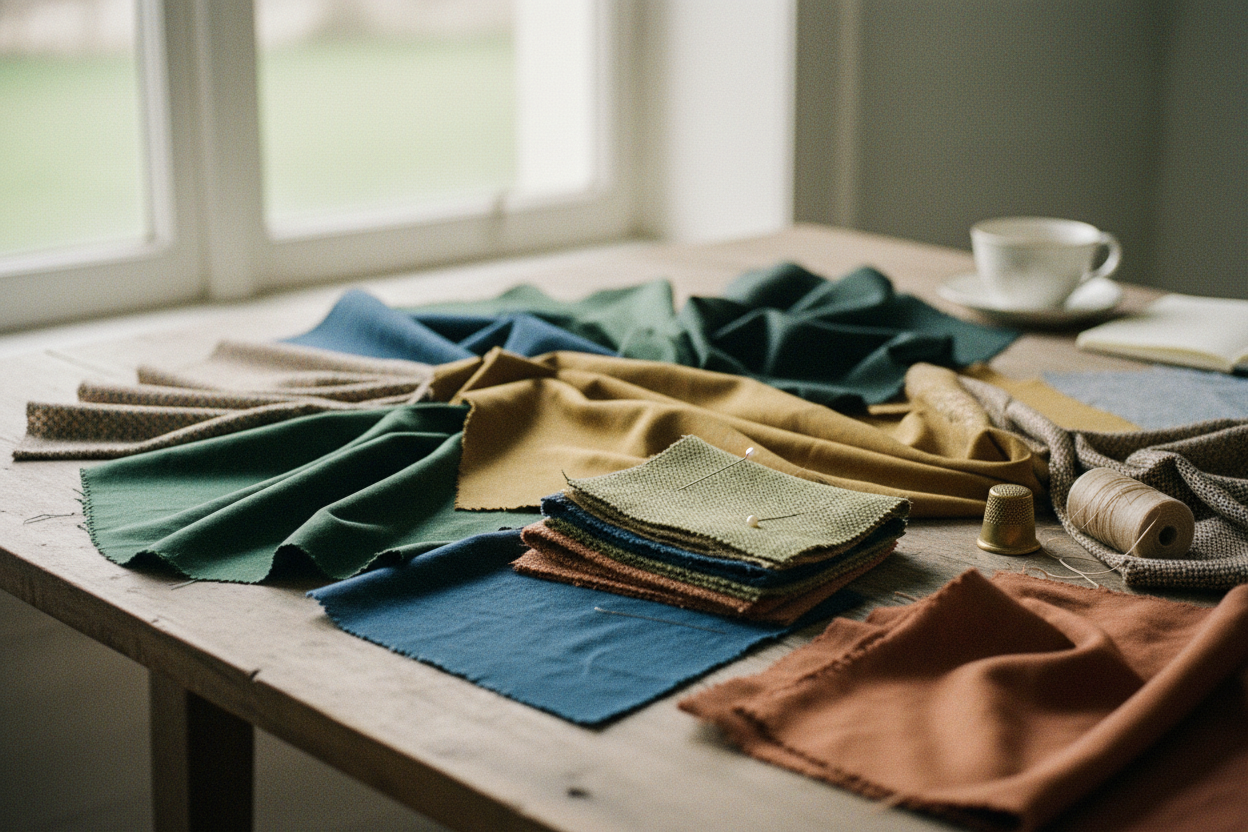
Drape is how a fabric hangs and moves, and it directly influences shape, volume, and elegance. Fabrics with low bending rigidity melt around the body, forming soft folds, while stiff constructions hold architectural lines. Plain weave voiles and chiffon skim light and airy; crepe flows with a subtle spring; satin glides with liquid shine; twill (think sturdy weaves like denim) offers body and swing. Knits generally follow curves, stretching in motion, while tightly woven canvases resist contouring. On the bias—diagonally to the grain—most fabrics drape more fluidly, a useful trick for skirts and dresses. To judge drape in-store, hold a corner and let it cascade, then gently swish: a fluid fabric forms ripples, a firm one forms angular breaks. Remember, weight matters, but so does structure: a lightweight but stiff organza can stand away from the body, whereas a heavier, loosely woven crepe may still puddle and pool with graceful movement.
Natural Fibers: Character and Care
Natural fibers bring nuanced comfort and timeless appeal. Cotton is breathable, absorbent, and familiar, with a soft hand that improves with wear; it can wrinkle and may shrink if not preshrunk, but its versatility suits shirts, denim, and everyday knits. Linen boasts exceptional strength and airflow, a crisp drape, and distinctive slubs that lend organic texture; it wrinkles easily yet develops a relaxed elegance and enduring durability. Silk, a continuous filament fiber, offers luminous luster, supple drape, and year-round comfort; treat it gently to protect its sheen and avoid abrasion. Wool provides natural crimp for warmth, resilience, and recovery; finer grades feel soft against skin, while loftier varieties insulate beautifully. Plant-based options like hemp and ramie add strength and breathability with a subtle, earthy texture. With naturals, moisture management and tactile comfort are high, but care is key: avoid harsh heat, manage shrinkage, and handle friction-prone areas to minimize pilling and maintain the fabric's character over time.
Man-Made Fibers: Performance and Practicality
Man-made fibers expand what clothing can do. Polyester resists wrinkles, dries quickly, and offers high durability; modern microfibers can feel surprisingly soft and deliver elegant drape, though breathability varies by construction. Nylon is strong and abrasion resistant, great for slim, sleek fabrics that need to withstand wear. Acrylic mimics wool's warmth at a lighter weight but may be prone to pilling without careful construction. Regenerated cellulosics—viscose/rayon, modal, and lyocell—bring silk-like drape and excellent comfort; viscose can weaken when wet, while lyocell tends to be stronger and smoother with balanced hand. Add a touch of elastane (also called spandex) for stretch and recovery, improving mobility and fit without sacrificing shape. Strategic blends combine strengths: cotton–poly for easy care, wool–nylon for longevity, or lyocell–linen for fluidity with crispness. Evaluate performance by end use: stretch and breathability for active days, polish and stability for tailoring, and wrinkle resistance for travel-ready wardrobes.
Weave, Knit, and Fabric Engineering
Construction dictates much of feel, drape, and durability. In wovens, plain weave balances stability and breathability; twill adds diagonal ribs for strength and graceful hang; satin concentrates floats for sheen and fluidity. In knits, jersey offers softness and natural stretch, rib delivers elasticity and recovery, and interlock provides a smooth, stable surface. Yarn choices matter: finer counts yield smoother fabrics; higher twist boosts strength; multiple ply yarns reduce fuzz and enhance resilience. Consider fabric weight measured as GSM (grams per square meter): lower GSMs suit airy tops, midweights fit blouses and trousers, and higher GSMs support coats and structured pieces. Surface finishes refine performance and touch—brushing raises nap for coziness, heat-setting stabilizes synthetics, enzyme and calendering treatments smooth and add luster, and pre-shrinking reduces surprises after washing. These engineering decisions work together, so assess the whole: a satin weave in a high GSM may still glide, while a loosely knit, heavy yarn can drape deeper than its weight suggests.
Durability, Care, and Smart Choices
True durability is more than thick fabric; it's the balance of tensile strength, abrasion resistance, pilling performance, seam slippage control, and colorfastness. Everyday habits extend lifespan: turn garments inside out to reduce friction, wash in cool water with gentle detergents, avoid overloading machines, and minimize high heat that can weaken fibers or set creases. Dry knits flat to protect drape and shape, hang wovens with supportive hangers, and store heavy items folded. Address wear points—elbows, cuffs, inner thighs—promptly with light de-pilling or reinforcement. When shopping, read fiber content and inspect construction: tug lightly at seams, check recovery after stretching, and hold fabric to the light to gauge density and potential transparency. Match properties to purpose—smooth satin for fluid evening looks, resilient twill for trousers, breathable linen for heat, and blended knits for flexible, everyday comfort. With informed care and selection, your pieces will maintain feel, drape, and structural integrity season after season.