The Beginner's Guide to Balanced Nutrition
Start your nutrition journey: build balanced plates, understand macros and portions, and form sustainable habits for energy, health, and weight management.
Foundations of Balanced Nutrition
Balanced nutrition is about giving your body the right mix of foods so you can feel energized, satisfied, and resilient. At its core are three pillars: variety, quality, and moderation. Variety ensures you cover a wide range of nutrients, quality emphasizes whole foods over ultra-processed options, and moderation helps you avoid extremes that can lead to fatigue or cravings. Think of meals as opportunities to build a colorful plate filled with vegetables, fruits, whole grains, lean proteins, and healthy fats. This approach supports energy levels, mood, digestion, and immune health. A beginner-friendly mindset focuses less on strict rules and more on gentle structure: plan your basics, listen to your hunger cues, and adjust portions to your needs. Balanced eating can include cultural favorites, budget-friendly staples, and convenience options. Over time, these small, consistent choices create a sustainable routine. When you aim for balance, you naturally reduce nutrient gaps, manage appetite better, and develop habits that are flexible enough to fit busy days without sacrificing well-being.
Macronutrients: Protein, Carbs, and Fats
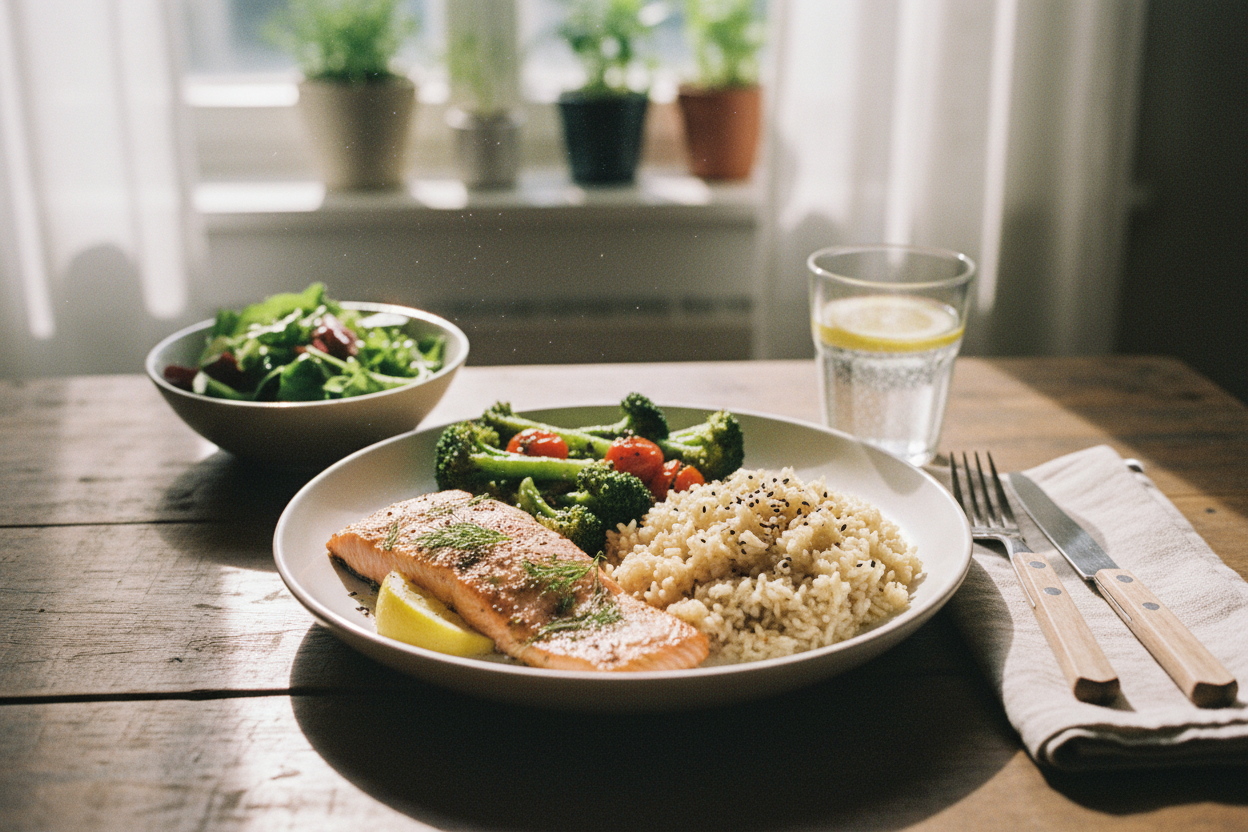
A solid understanding of macronutrients helps you build satisfying meals. Protein supports muscles, satiety, and tissue repair; practical choices include eggs, poultry, fish, tofu, legumes, and Greek yogurt. Carbohydrates fuel your brain and workouts; choose mostly complex carbs like oats, brown rice, quinoa, beans, and starchy vegetables to get steady energy and fiber. Fats are essential for hormone production, nutrient absorption, and flavor; opt for unsaturated fats from olive oil, nuts, seeds, and avocado while limiting excessive saturated and trans fats. Balance matters: pairing protein with complex carbs and healthy fats stabilizes blood sugar and helps you feel full longer. A simple snack might be apples with peanut butter or hummus with whole-grain crackers. For meals, consider salmon with quinoa and roasted vegetables, or a bean and veggie stir-fry with brown rice. You do not need perfection; instead, aim for a consistent pattern where macronutrients work together to support energy, recovery, and taste.
Micronutrients and Fiber Essentials
While macronutrients provide energy, micronutrients—vitamins, minerals, and plant compounds—keep your body systems humming. Colorful produce offers antioxidants that help protect cells from everyday stress. Prioritize dark leafy greens for folate and vitamin K, citrus and berries for vitamin C, and carrots or sweet potatoes for beta-carotene. Include dairy or fortified alternatives for calcium, nuts and seeds for magnesium, and legumes or lean meats for iron. Don't forget fiber, a powerhouse for gut health, regularity, and satiety. Soluble fiber, found in oats, beans, and apples, helps support healthy cholesterol levels, while insoluble fiber in whole grains and vegetables keeps digestion moving. Prebiotic fibers in garlic, onions, and bananas feed beneficial gut bacteria, and fermented foods provide probiotics that complement a diverse diet. Aim to build a weekly rotation of produce, grains, and proteins to ensure coverage of these essentials. The more variety you bring to your plate, the more likely you are to fill micronutrient gaps naturally while maintaining enjoyable, flavorful meals.
Portion Balance and Meal Composition
Balanced portions promote steady energy and comfort after eating. A practical method is the plate approach: fill roughly half your plate with non-starchy vegetables, a quarter with lean protein, and a quarter with whole grains or starchy vegetables, adding a small serving of healthy fats. This simple visual guideline supports portion control without tedious counting. For breakfast, pair protein with fiber-rich carbs—think eggs with whole-grain toast and spinach, or yogurt with berries and oats. For lunch and dinner, combine a protein source like chicken, tofu, or beans with grains such as brown rice or quinoa and a generous mix of vegetables. Snacks that combine protein, fiber, and healthy fats—like cottage cheese with fruit or nuts—bridge the gap between meals. Tune into hunger and fullness cues: start meals when you feel moderately hungry and pause midway to assess how you feel. Flexible portions let you adjust to activity levels, supporting performance, focus, and overall well-being.
Hydration and Smart Beverages
Hydration is a foundational piece of balanced nutrition. Water supports digestion, circulation, temperature regulation, and mental clarity. Instead of fixating on a single intake number, use practical cues: sip water regularly, drink more in heat or during activity, and aim for pale-yellow urine as a simple gauge. Foods like cucumbers, oranges, and soups contribute to fluid intake, while electrolytes from fruits, vegetables, and lightly salted meals help maintain balance. Choose beverages wisely: prioritize water, sparkling water, or herbal tea, and limit sugary drinks that can spike blood sugar and add empty calories. Coffee and tea can fit in a healthy routine; just be mindful of added sweeteners and how caffeine affects sleep. If you enjoy juice, think of it as an occasional flavor accent rather than a staple. A reusable bottle within reach is a practical nudge, and pairing sips with daily habits—like after brushing teeth or between tasks—keeps hydration effortless and consistent.
Planning, Shopping, and Cooking Made Simple
A little planning transforms good intentions into daily action. Start with a short list of pantry staples: oats, brown rice, canned beans, lentils, tuna or salmon, olive oil, spices, nuts, seeds, and frozen vegetables. Batch-cook versatile proteins and grains, then mix and match with fresh produce for fast meals. When grocery shopping, shop the perimeter for whole foods and read labels in the aisles; choose items with simple ingredients and minimal added sugars. Cooking methods matter: roasting, steaming, sautéing, and grilling highlight natural flavors without excessive oil. Build flavor with herbs, spices, citrus, garlic, and vinegars to reduce reliance on heavy sauces. Prep once, eat many times—wash greens, chop vegetables, and portion snacks so nutritious choices are ready when you are. Keep backup options like frozen berries and pre-cooked grains for busy days. Consistency beats perfection: a realistic plan you can repeat will carry you further than a complicated regimen you can't sustain.
Mindset, Habits, and Real-World Flexibility
Sustainable nutrition grows from a supportive mindset. Practice mindful eating by slowing down, noticing flavors and textures, and checking in with hunger and fullness before, during, and after meals. Aim for progress over perfection; small, repeatable habits compound over time. Design your environment for success: keep fruit on the counter, place nuts or whole-grain crackers at eye level, and store treats out of sight to reduce impulse eating. Navigate social meals by balancing your day—enjoy the occasion, savor favorites, and return to routine at the next meal. Travel with portable staples like nuts, protein-rich snacks, or whole-grain wraps. Sleep, stress management, and movement are powerful allies; when these pillars are steady, cravings and energy swings often improve. Celebrate non-scale victories such as better focus, improved digestion, or steadier moods. Above all, stay flexible—nutrition is a lifelong practice, and the best plan is the one you can follow with confidence and enjoyment.