The Art of Slow Travel: Savoring the Journey
Slow travel swaps checklists for connection. Discover how to savor the journey, choose mindful hotels, travel lighter on the planet, and return home genuinely transformed.
Embracing a Different Pace
Slow travel is the art of choosing depth over speed, of valuing the texture of each moment more than the tally of sights. It asks you to trade itineraries packed to the edges for a rhythm guided by curiosity, presence, and intention. When you slow down, you discover that experiences ripen when given space: a conversation with a baker at dawn, the scent of rain on cobblestones, the way a square empties and fills like a tide. With fewer transitions, you carry less stress and more stories. Your memories become anchored in sensory detail, not just snapshots. You notice local rhythms, learn to read neighborhoods by their soundscape, and find that the most meaningful scenes often unfold between landmarks. This approach also invites spontaneity, letting you follow a side street, linger over tea, or rest without guilt. By measuring your days in connections rather than check-ins, slow travel transforms movement into meaningful discovery.
Cultivating Presence on the Road
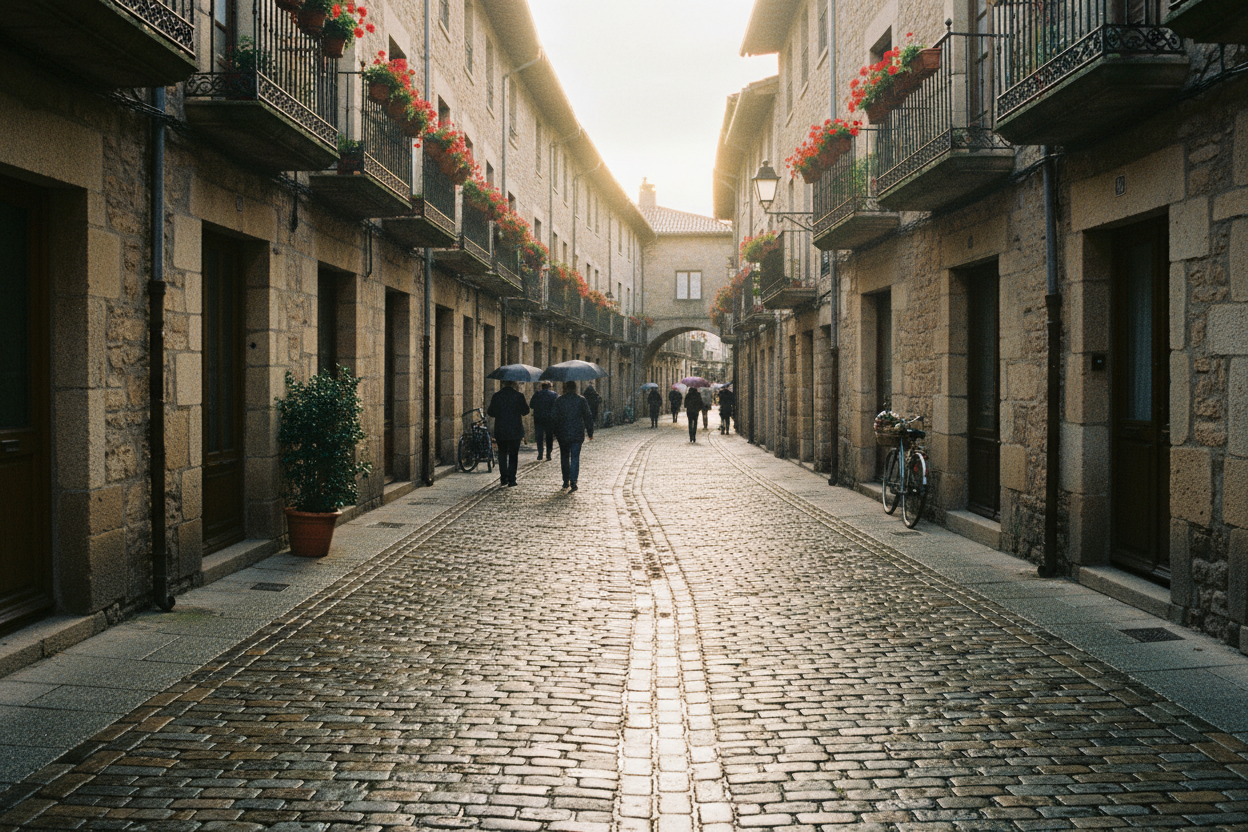
To savor the journey, treat attention as your most valuable currency. Replace rush with mindful observation: breathe in the morning air, feel the texture of a market stall table, listen for the cadence of greetings. Create small rituals that anchor you—journaling at sunrise, sketching doorways, naming three details you would have missed if you had hurried. Set gentle boundaries with technology so that presence is not constantly interrupted; consider flight mode during walks, or use a simple, annotated map. Practice single-tasking: when you taste, truly taste; when you converse, truly listen. Unstructured time is not a void but a vessel. It allows serendipity to arrive, whether in the form of a street musician, a neighborhood festival, or an impromptu lesson in local craft. By tending to your senses and energy, you cultivate a resilient traveler's mindset that weathers delays with grace and turns waiting into an invitation to notice more.
Designing Itineraries with Intention
An intentional itinerary balances anchors and buffers. Choose a few meaningful anchors—places or experiences that resonate with your interests—and protect generous windows around them. Favor fewer bases with longer stays over frequent relocations; dwell time reveals layers that fly-by travel obscures. Select transport that aligns with your values: scenic trains, local buses, cycling, or simply walking, each offering different textures of encounter. Plan realistic distances and build in restorative pockets where nothing is scheduled. Alternate exploration days with open days that welcome serendipity, letting you follow the pull of a conversation, a viewpoint, or a café that calls you back. Pack light to move freely; a smaller bag makes changing plans easier and reduces friction. Consider time-of-day nuances—early markets, golden-hour strolls, twilight plazas—to witness places across their natural rhythms. Above all, let the itinerary be a living document, responsive to weather, mood, and chance, so the journey can breathe and surprise.
Hotels as home bases, not just stopovers
In slow travel, your hotel becomes more than a place to sleep—it's your temporary home and anchor in a new place. Instead of hopping between cities every few nights, choose one hotel for a week or longer, allowing you to settle into rhythms rather than constantly packing. Seek out locally-owned guesthouses or small hotels where staff remember your name and can share insider knowledge about the neighborhood. A balcony for morning coffee, a cozy reading corner, or proximity to a local market transforms your stay from transactional to meaningful. This approach often unlocks better rates through extended-stay discounts while reducing the environmental footprint of constant movement. When you're not rushing to the next destination, your hotel becomes a place to reflect, rest deeply, and observe daily life unfolding around you—exactly what slow travel is all about.
Deep Connections with Local Culture
Slow travel deepens connection by turning destinations into communities, not backdrops. Start with humility and respect: learn a few phrases, observe local etiquette, and approach encounters with genuine curiosity. Seek out everyday spaces—corner groceries, pocket parks, neighborhood cafés—where life unfolds without performance. Participate, do not just observe: a community workshop, a cooking class using regional ingredients, or a walking tour led by a resident can reveal context that guidebooks miss. Practice ethical photography by asking permission, noticing when a moment is better kept than captured. Support independent artisans and family-run spots to sustain the local economy and keep traditions alive. Be attentive to cultural norms around noise, dress, and personal space; a mindful traveler is a welcome guest. When you listen for origin stories—of a dish, a pattern, a song—you learn how geography and history shape identity. These small, sincere exchanges become the heart of your travel narrative.
Sustainable Choices that Enrich Journeys
Moving slowly often aligns with sustainability. Choosing trains, buses, ferries, cycling, and walking can lower your carbon footprint while revealing landscapes in meaningful detail. Stay in locally owned accommodations, eat seasonal food, and carry a refillable bottle and compact utensils to reduce waste. Shop at markets where your purchases circulate within the community, and favor experiences that conserve natural and cultural spaces. Pack versatile clothing to travel light; fewer possessions mean fewer resources spent moving things you do not need. Seek out nature with Leave No Trace principles, staying on paths and respecting wildlife. Slow travel can also ease overcrowding by spreading visits across neighborhoods and times of day, bringing benefits to areas beyond the busiest centers. Think in loops instead of lines, letting your route return value to the places that host you. In this way, going slower becomes a practical strategy that enriches your trip, supports livelihoods, and protects the very beauty you came to admire.
Finding Wonder in the In-Betweens
The spaces between destinations can be the most revealing classrooms for wonder. Treat platforms, ferry decks, and roadside stops as stages where local life performs without rehearsal. Watch landscapes change—soil color, rooflines, crops—and let those shifts spark questions. A delay becomes a chance to taste a regional snack, practice a new phrase, or map a spontaneous detour. Prepare a small comfort kit with a scarf, notebook, and snacks to turn waiting into a nourishing pause. Choose day journeys when possible; daylight travel transforms transit into a moving observation deck. Sit by a window, track the play of shadows, and collect micro-stories: a farmer waving from a field, laughter from a schoolyard, the choreography of commuters. These in-between moments sharpen your instincts, teaching you to read the world's subtle cues. By honoring liminal spaces, you train your attention to find richness everywhere, so that arrival is not the only reward of movement.
Bringing Slow Travel Home
The art of slow travel does not end at the border; it becomes a practice you carry into daily life. Treat your neighborhood like a destination: take a new route to the market, learn the names of trees on your street, greet the people who share your routines. Curate memories thoughtfully—print a few photos, write captions, cook a dish you loved—so insight becomes habit, not just nostalgia. Keep a travel journal open even at home, noting micro-adventures, books that transport you, or languages you are learning. Continue supporting local businesses and community events, extending the same respectful attention you offered abroad. When planning future trips, measure success by the quality of connections rather than the quantity of attractions. Ask what you felt, learned, and contributed. In this continuity between away and home, slow travel matures into a way of seeing: a commitment to savoring the journey, wherever your feet happen to be.