Stress Relief Techniques You Can Use Anywhere
Calm your body and mind anywhere with fast breathing resets, grounding, muscle relaxation, mini-meditation, positive self-talk, and more.
Quick Calm with Breathing
When stress spikes in a line, elevator, or meeting, lean on diaphragmatic breathing to steady your system. Place a hand on your belly, inhale through the nose so your abdomen expands, then let a slow extended exhale soften your shoulders and jaw. Try box breathing by gently counting an even rhythm as you inhale, pause, exhale, and pause again; if counting feels tricky, simply lengthen your out-breath by a beat or two. Keep the breath quiet and light, as if fogging a mirror from the inside, and pair it with a cue like I am here to anchor your attention. Notice small sensations such as cool air at the nostrils or the belly rising. Two or three minutes can shift your stress response, helping you think clearly and act intentionally. Practice during neutral moments so it is easy to use when pressure builds, and remember that comfort is the goal, not perfection.
Progressive Muscle Release Anywhere
Progressive muscle relaxation teaches your body the difference between tension and ease, and it can be done discreetly at a desk, on transit, or while waiting. Start at your feet: press toes into the ground for a gentle count, then fully release and feel the contrast. Move upward through calves, thighs, glutes, hands, forearms, shoulders, and face. Keep effort mild and pain-free, using the exhale to let go. If a full sequence is not possible, pick one area that tends to tighten, like the jaw or shoulders. Try a micro-release by rolling shoulders back and down, softening the brow, and unclenching the teeth with the tongue resting on the roof of the mouth. Add a quiet phrase such as let the tension drain as you breathe out. Over time, this practice becomes a radar for hidden strain, allowing you to detect stress early and reset posture, breath, and attention before discomfort snowballs.
Mindful Observation in the Moment
When your mind races, shift into mindfulness by noticing what is here right now. Choose the five senses as a simple framework: name a few things you can see, hear, and feel against your skin, plus any subtle scents or tastes. Describe details with neutral words like rough, smooth, warm, distant, or bright to engage present-moment awareness. If thoughts pull you away, gently return to the next sensory cue, as though you are tuning a radio to a clearer signal. This practice does not aim to stop thoughts; it teaches you to let them pass without chasing them. Try it during a commute, before a difficult conversation, or while taking a brief hallway break. Even one minute can create spaciousness, lower reactivity, and restore perspective. For extra grounding, notice contact points like feet on the floor or back against a chair, and pair them with a soft inner note such as I can feel support.
Micro-Meditations You Can Sneak In
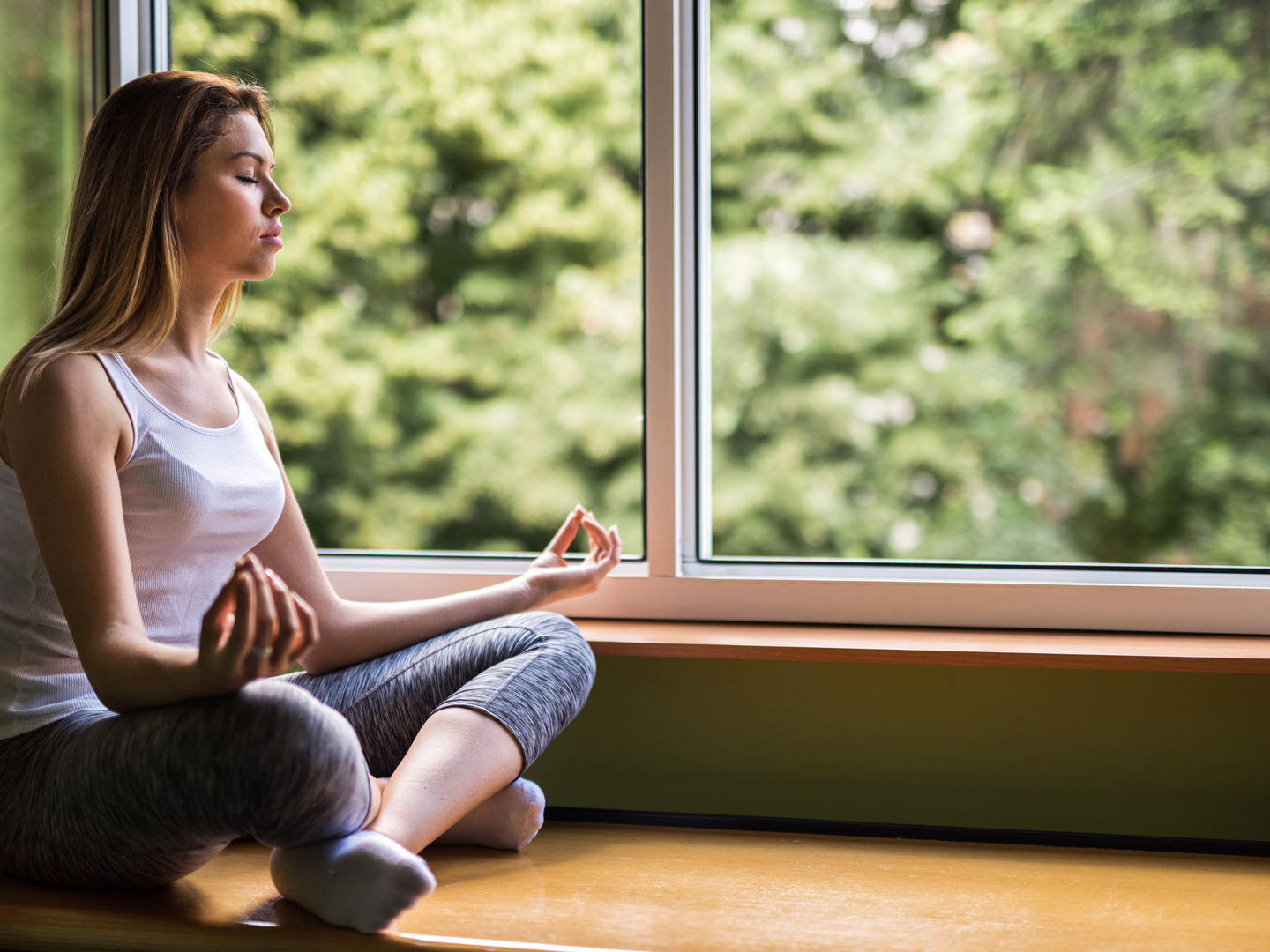
A micro-meditation is a tiny pause that resets attention in the time it takes to wash your hands or wait for a page to load. Focus on ten gentle breaths, or repeat a quiet mantra such as calm body, clear mind. You might visualize exhale as a wave washing tension away, or picture a place that feels steady and kind. Another quick option is breath counting: inhale one, exhale two, up to five, then start over. If you lose count, smile inwardly and begin again without judgment. These small practices build the skill of noticing urges and inserting a choice point, which reduces impulsive reactions under pressure. Use daily anchors like doorways, hydration breaks, or app notifications as cues to pause. Over time, micro-meditations stack up, training your attention to return to what matters and helping you respond rather than react in challenging moments.
Movement and Posture Reset
Stress often lives in the body, so a movement reset can shift mood quickly. Start with posture: plant your feet, lengthen the spine, soften the ribs, and imagine the crown of your head rising. Roll your shoulders slowly, trace small circles with your wrists and ankles, and nod your head yes and no with ease. Try a brief walking break if possible, letting your arms swing and eyes scan the horizon to widen perspective. If you must stay put, do a seated stretch: clasp hands behind your back, open the chest, then hug yourself to release the upper back. Add a gentle jaw release by placing the tongue on the roof of the mouth and breathing slowly. Shaking out hands and legs for a few seconds can discharge nervous energy. These micro-movements boost circulation, interrupt the stress loop, and signal safety to the nervous system. Keep intensity low, favor smooth breathing, and choose motions that feel natural and pain-free.
Reframe with Cognitive Tools
Your inner dialogue shapes stress. Use cognitive reframing to shift from threat to choice. First, label what is happening: I notice tightness and racing thoughts. Then ask a helpful question: What is one small action that moves this forward. Create if-then plans to reduce uncertainty: If I feel overwhelmed, then I will breathe for three rounds and pick the next step. Practice compassionate self-talk by speaking as you would to a friend: This is hard, and I can take it one piece at a time. Triage tasks into Now, Next, Later to regain control, and set a two-minute timer to begin the very first step. Consider a brief gratitude shift by naming one thing that is working, which broadens attention beyond the problem. None of these tools erase stress, but they reduce rumination and increase agency, helping you turn energy into motion and preserve clarity under pressure.
Build Your Personal Stress Toolkit
Sustainable calm comes from a personal toolkit you can use anywhere. Pick two breathing practices, one movement, and one thought strategy, and rehearse them during low-stress moments so they become automatic. Identify triggers such as noise, deadlines, or conflict, and pair each with a ready response, like a micro-meditation or a quick walk. Keep small grounding aids handy, such as a smooth object to touch or a soothing scent, and set gentle boundaries by silencing notifications during focused work. Use habit stacking by attaching your techniques to daily routines like making tea or stepping outside. Track consistency with simple check marks rather than perfection. Prioritize safety in every context, especially when driving or handling equipment. These strategies support general health and well-being, but they are not a substitute for personalized care. If stress feels overwhelming or persistent, consider reaching out to a qualified health professional for guidance tailored to your needs.