Street Food Safaris: Taste the World Like a Local
Navigate bustling markets, master local etiquette, and savor iconic bites—from tacos to satay—on street food safaris that taste like true travel.
Why Street Food Safaris Matter. Street food is the heartbeat of local culture, a fast-moving stage where recipes, family stories, and neighborhood pride come together on a sizzling griddle. When you seek out curbside carts and bustling stalls, you're not just eating; you're reading the city's sensory map—its aromas, textures, and rhythms. A proper street food safari invites you to move slowly, observe patiently, and say yes to discoveries you didn't know you were hungry for. Notice the rituals: the vendor seasoning a griddle with grace, the steady line of regulars, the hand-squeezed citrus that brightens everything. Listen for the symphony of pans, steam, and chatter. Street food lets you stretch your budget and itinerary, tasting multiple regions of a destination in a single afternoon. More than quick bites, these moments become cultural exchanges, where a nod or smile bridges languages. Approach each stall with curiosity and respect, and the city will often answer with warmth, flavor, and stories to carry home.
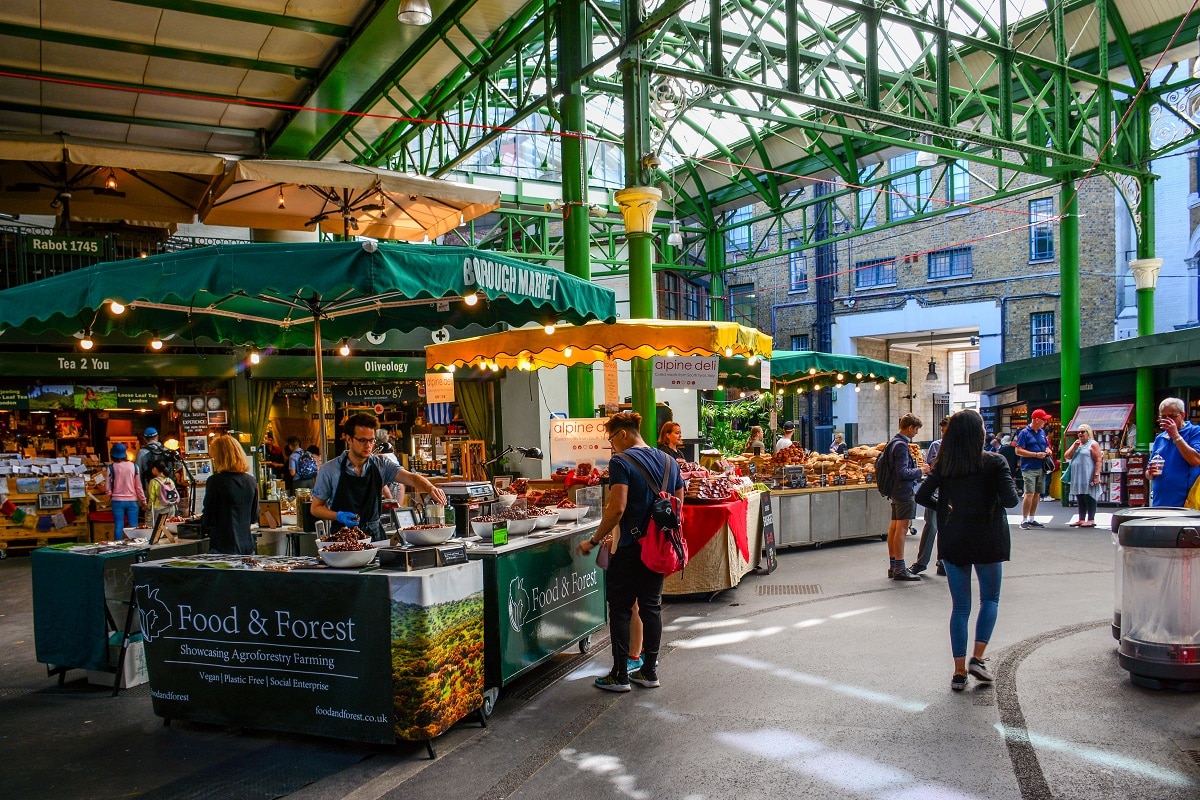
Finding the Real Deal. To eat like a local, follow human signals rather than glossy signs. Lines of everyday customers suggest trust, freshness, and high turnover—the lifeblood of great street cooking. Scan for stalls with a tight menu focus: a single specialty done expertly often outshines sprawling options. Watch for well-organized mise en place, steady heat, and a dance-like efficiency behind the counter. Sniff the air—smoke from a grill, the citrusy lift of fresh herbs, the comforting steam of broth—then let curiosity guide you. Morning markets near transit hubs and neighborhood squares are treasure maps, while after-work corners can glow with quick, soulful suppers. Ask discreet questions, or simply point to what regulars are ordering. Embrace regional staples—portable soups, skewers, griddled breads, stuffed pastries—and look for clear posted prices or chalkboards to avoid haggling. When in doubt, start with small portions to sample widely, then circle back for the stall that steals your heart.
Eat Adventurously, Stay Safe. Being bold doesn't mean being careless. Prioritize stalls where ingredients move fast and cooking happens to order, so your meal comes piping hot. Seek visible handwashing setups, clean prep surfaces, and separate areas for raw and cooked foods. Choosing foods that are grilled, boiled, or fried reduces risk; piping-hot soups, blistered skewers, and griddled breads are dependable allies. Peel-it-yourself fruits or vegetables washed in safe water can be smart choices, and a personal sanitizer helps before finger foods. Start with milder spice levels to let your palate adapt, and add heat using condiments at your own pace. If you manage allergies or dietary needs, learn key phrases or keep them written to show vendors, and watch ingredients being assembled. Hydrate thoughtfully, pace your sampling, and share plates to avoid overdoing it. A little prudence sustains the joy of discovery, making each adventurous bite a confident step deeper into the destination's culinary soul.
Ordering Like a Local. Confidence at the counter begins with observing the flow. Note how regulars line up, whether they pay first or after eating, and how they customize orders using sauces or garnishes. Keep a few local phrases on hand—hello, please, thank you, spicy, not spicy—or use friendly gestures and a smile. Pointing works; so does showing a photo you've just taken of another plate (with permission). Carry small cash for quick transactions and avoid blocking the queue while deciding. Many stalls appreciate efficiency: know your order, step aside to wait, and keep your space tidy. Try vendor-recommended combinations; often the magic lies in house condiments, fresh herbs, or a finishing squeeze of citrus. If seating is communal, share tables with grace and strike up light conversation. Locals respect travelers who are curious but courteous, who listen, learn, and savor. In return, you'll often get steaming plates, extra smiles, and tips on what to hunt down next.
Sustainability and Respect. A street food safari thrives on mutual respect—for vendors, neighbors, and the environment. Bring a small reusable kit: foldable cutlery, a napkin, and a compact container for leftovers. Accept local serving traditions—banana leaves, metal cups, paper wraps—while minimizing single-use waste when possible. Queue patiently, keep sidewalks clear, and step aside before snapping photos; always ask before photographing a person or stand. Learn stall etiquette: where to stand, how to return plates, and where to dispose of trash. Support small, family-run vendors by paying fair prices and celebrating their craft without bargaining them down. Choose businesses that source locally, use seasonal produce, or reduce packaging. If you're traveling with a group, stagger visits to avoid overwhelming a tiny operation. Consider how your choices ripple outward: a respectful traveler boosts community livelihoods, protects culinary heritage, and keeps beloved stalls thriving for the next hungry wanderer.
Design Your Tasting Route. Treat your day like a flavor itinerary. Map clusters of stalls so you can graze in short, satisfying loops, balancing savory, sweet, and refreshing stops. Start light—perhaps a griddled bread or a morning broth—then build toward richer bites like slow-cooked meats or stuffed pastries, finishing with dessert and tea or a cooling fruit treat. Share portions to sample more, cleanse your palate with citrus or herbal sips, and take brief walking breaks to reset your senses. Track favorites in a notes app, jotting vendor names, standout condiments, and textures you loved. Plan for peak freshness: early for breakfast carts, midday for market lunches, and early evening for after-work energy. Keep a flexible budget for surprise discoveries and a little extra for second helpings. Round out your safari by visiting a produce market for spices or simple cooking tips, turning today's bites into flavors you can recreate—and relive—long after the journey ends.