Return Policies Decoded: Shop with Confidence
Understand return policy fine print—from time limits and condition rules to fees and exceptions—so you can shop smarter and get hassle-free returns.
Return Basics You Should Know
Every retailer publishes a policy, but decoding it starts with the return window, the condition of the item, and proof of purchase. Most stores require items unused, with tags attached, and in original packaging with all accessories and manuals. Some will accept open-box items if they are clean, complete, and clearly resalable. Distinguish refund, exchange, and store credit; you may receive credit rather than cash for preference-based returns. Watch for restocking fees on electronics, furniture, or special orders, and confirm whether shipping fees are refundable. Expect differences between in-store and online returns, including mail-in options and drop-off partners. Gifts often need a gift receipt to avoid revealing price details. Some stores request ID to deter abuse, which is standard when applied consistently. If the product is defective, a warranty path may offer repair or replacement. Keep order numbers, barcodes, and packaging until you decide. Acting promptly once you know an item does not suit you preserves options and helps you shop with confidence.
Eligibility and Common Exclusions
Knowing what qualifies for a return prevents frustration at the counter. Policies often exclude items that are perishable, personalized, or related to hygiene, such as custom prints, monogrammed goods, skincare, and intimate apparel once opened. Digital content, downloaded software, and gift cards are typically not returnable. Be cautious with final sale or clearance items, which may be ineligible altogether. For bundles and promotions like buy one get one offers, expect rules requiring the full set back or adjusted refunds when components are missing. Some retailers treat special event merchandise, seasonal decor, or heavily discounted items differently. Large items may have distinct restocking or freight rules. If you altered the product or removed safety seals, eligibility can change. Document defects with photos before attempting a return, and check whether issues fall under a warranty rather than a standard policy. Understanding these exclusions helps you plan purchases, compare stores, and choose products with policies that match your comfort level.
Refund Methods and Timing
How money returns to you often depends on how you paid. Many retailers refund to the original form of payment, meaning a credit card purchase goes back to that card, while cash or debit may be returned as cash or credited to the account. If a card is closed, expect store credit or a check process. Promotions can affect your outcome; returning an item purchased with a discount may reduce the refund to reflect the benefit you received. Shipping and handling are often nonrefundable unless the retailer made an error. Anticipate a processing time that includes the store receiving and inspecting the item and your bank posting the funds. Exchanges may be faster if inventory is available. Gift returns frequently convert to store credit. International transactions can take longer due to currency conversion and banking cycles. Avoid chargebacks when the retailer is cooperating; they can complicate matters. Clarity on timelines, original form of payment, and fees helps set expectations and keeps your budget on track.
Preparing and Shipping Your Return
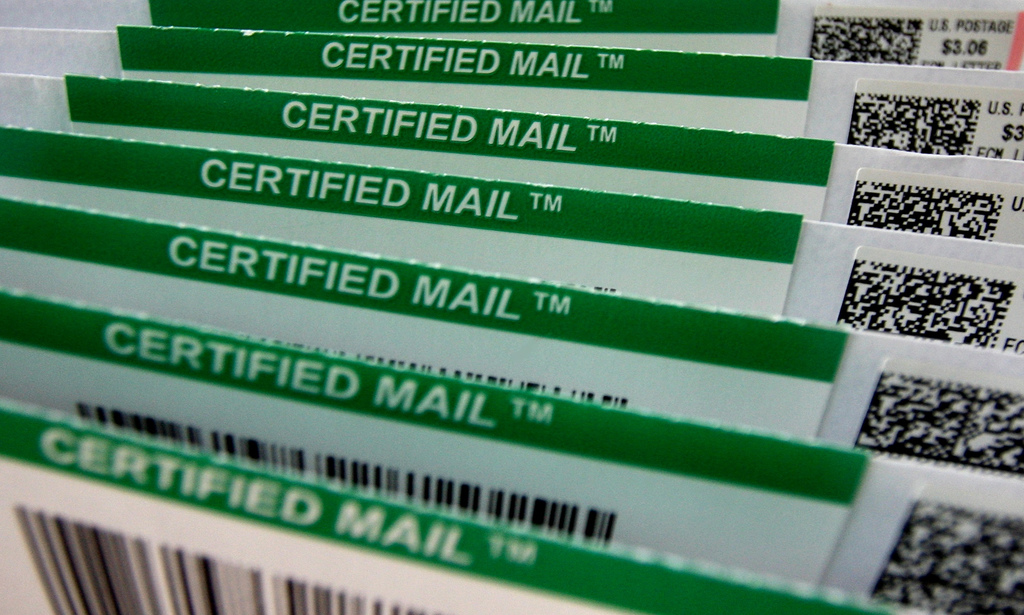
A smooth return starts with careful preparation. Gather proof of purchase, order numbers, and the packing slip. Some retailers issue an RMA or authorization code you must include, so follow instructions exactly. Repack the item with all accessories, manuals, tags, and protective materials to demonstrate the condition is resalable. Use sturdy packaging, cushion fragile parts, and seal boxes securely. If a prepaid label is provided, attach it clearly and remove old labels to avoid misrouting. Always capture tracking and, for higher-value items, consider insurance and signature confirmation. Take clear photos of the item and the sealed box in case you need to verify condition or contents later. Note any drop-off window or courier cutoff to meet the return window. When returning in store, bring a government ID if requested and ensure barcodes are scannable. Keep copies of receipts and emails until the refund posts. Following these steps reduces delays and strengthens your position if something goes wrong.
Smart Shopping Strategies for Hassle-Free Returns
Confidence starts before you buy. Compare each retailer's flexible policy, looking for clear return windows, low fees, and easy drop-off options. Favor stores that offer free returns, in-store processing for online orders, or convenient lockers. Join programs with loyalty perks that extend return windows or provide faster processing. If you are between sizes or colors, read rules for multiple-item orders and plan a single consolidated return to cut costs. Open packages carefully so you can repackage in like-new condition. Set reminders for deadlines and save original boxes until you decide. Use payment methods that include return protection or dispute assistance, but work with the retailer first for a cooperative solution. Balance convenience with eco-friendly habits by minimizing unnecessary returns and choosing retailers that offer local drop-off to reduce shipping. By aligning purchases with policies that match your needs, you reduce friction, protect your budget, and shop with genuine confidence from cart to confirmation.