Mastering Layers: From Base to Outerwear Without Bulk
Build warmth without bulk: pair sleek base layers, low-profile insulation, and breathable shells to stay warm, mobile, and sharp in any weather.
Start with the Right Base. The base layer is your foundation, the piece that manages moisture, temperature, and friction so everything above sits smoothly. Choose moisture-wicking knits with a second-skin fit; think fine merino, silk blends, modal, or modern technical fibers that offer breathability with gentle stretch. Prioritize seamless or flatlock construction to minimize ridges that can telegraph through lighter fabrics. Necklines matter: a crew keeps things discreet under open collars, while a scoop or V works beneath deeper midlayers without crowding the throat. Longline tanks, lightweight bodysuits, or tucked tees create a clean tuck that refuses to balloon. Opt for sleeves that glide easily, with raglan or articulated underarms for movement. Consider skin-tone or tonal colors to create a quiet canvas beneath sheers or open weaves. If warmth is a goal, look for body-mapped knits that insulate at the core yet vent at high-sweat zones. This invisible performer reduces bulk up top because it regulates comfort from the skin, letting you rely on thinner layers overall.
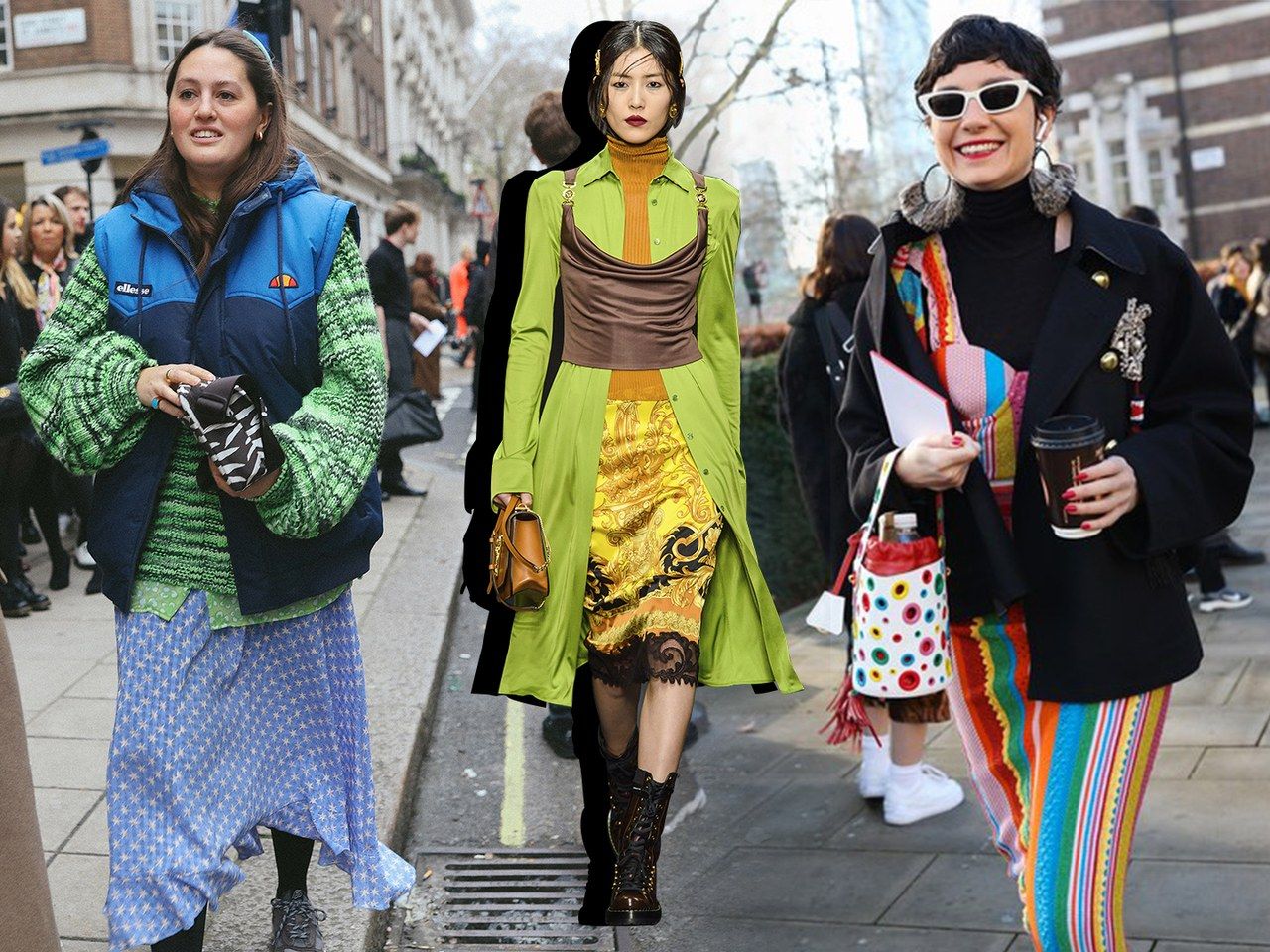
Build the Midlayer Smartly. The midlayer delivers insulation and shape, so select pieces that warm without puffing. Lightweight cardigans, slim quilted liners, fine-gauge sweaters, and stretch-woven overshirts create a heat buffer with controlled drape. Study gauge: finer stitches trap air yet slide under jackets cleanly, while waffle or grid knits add loft with less mass. A thin vest is a secret weapon, boosting core warmth while leaving arms free, which keeps the silhouette lean. Look for raglan sleeves, gussets, or side panels that reduce bulk at the armhole where layers stack. Hem strategy matters: a cropped cardigan defines the waist over high-rise bottoms, while a hip-length zip jacket elongates over narrow trousers. Keep closures minimal and flat; slim plackets, hidden snaps, and two-way zippers allow airflow control without visual noise. The goal is a temperature-smart middle that reads intentional, never puffy.
Choose Strategic Fabrics and Textures. Not all warmth comes from thickness; it comes from fabric science, loft, and compressibility. Ultralight down or advanced synthetic fills trap air efficiently, yet they pack small and sit smoothly under shells. Brushed flannel, microfleece, and sueded knits feel cozy with less weight, while ponte and stretch wovens add structure that skims rather than clings. Balance texture thoughtfully: pair a ribbed turtleneck beneath a smooth blazer so surfaces do not snag, and use matte finishes to quiet reflective fabrics. Consider tight weaves for wind resistance, reserving open knits for interiors where breathability is king. When stacking pieces, shift the surface from slick to softly pebbled, preventing friction that can bunch seams. Test compressibility by squeezing the garment; if it springs back quickly and feels light, it will layer cleanly. Smart textures add depth and dimension, creating the perception of richness without adding width.
Dial In Proportion and Silhouette. Great layering relies on proportion, silhouette, and clean lines. Aim for one volume at a time: combine a slim base and mid with a relaxed jacket, or pair a softly oversized knit with close-fitting trousers. Create vertical lines using long plackets, open fronts, tonal columns, and uninterrupted seams that draw the eye up and down. Try the rule of thirds: a cropped cardigan over a longer tee and high-rise bottoms defines waist definition without a belt, while a half-tuck or French tuck adds shape without bulk. Manage sleeves by stacking thinnest to thickest and finishing with a neat cuff; pushing or rolling reveals wrists, slimming the overall read. Collars should nest: a low turtle under a notched lapel, or a band collar beneath a stand collar, avoiding crowding at the neck. Small shifts in length and line create optical lightness, even when warmth levels rise.
Coordinate Color, Pattern, and Finish. Slim layering starts with tonal thinking. Build monochrome or near-tonal stacks to create uninterrupted visual continuity, then add a measured pop near the face. Keep saturation consistent across pieces so one layer does not overpower the next. When mixing patterns, harmonize pattern scale: tiny stripes under a medium houndstooth blazer, or a subtle windowpane over a solid knit, lets the eye rest while still feeling dynamic. Place the darkest shade where you want to recede, and avoid harsh contrast at the widest points of shoulders or hips. Textural sheen also matters; a matte base under a softly lustrous jacket feels elevated yet controlled. Finish with accessories that echo the palette—belts, scarves, and hats in related hues tie layers together while remaining light. Unified color strategy removes visual weight, letting the form feel sleek and intentional.
Select Outerwear That Finishes Light. Your final layer should shield without smothering. Choose outerwear with a shell that blocks wind and resists drizzle, then let underlayers handle warmth. Look for mobility features—underarm gussets, articulated sleeves, and vented backs—that keep movement fluent as layers add up. A car coat, trench, shacket, or chore jacket offers length and coverage without foam-like padding. Two-way zippers and back venting open space when you heat up, while snaps and slim storm flaps stay flat. For colder days, pick low-profile quilting or a removable liner that nests cleanly; packable options store in a bag yet spring back polished. Mind lapel width, pocket placement, and hem length to preserve the line of what sits beneath. Steam lightly to reset drape, and brush away lint to maintain a crisp surface. The right topper seals the system, proving warmth and refinement can coexist without bulk.