Hydration Myths and Facts for Better Wellness
Separate fact from fiction about hydration: how much water you really need, what counts, signs of dehydration, and smart tips for daily fluid balance.
Individual Needs Over One-Size-Fits-All: A common misunderstanding is that hydration follows a strict formula for everyone, like the popular 8x8 rule. In reality, your optimal intake varies with body size, activity level, climate, diet, and even how much you sweat. Someone with a physically demanding job or a vigorous training routine typically needs more fluids than someone with a sedentary schedule. Warmer, windier, or higher-altitude environments can increase fluid loss, while a diet rich in water-dense foods may slightly reduce how much you need to drink. Medications and life stages may also influence how your body manages fluids. Rather than chasing a single number, aim for a flexible, responsive approach. Notice how often you urinate, the color and volume, your energy, and whether you experience headaches, dry mouth, or fatigue. These cues, paired with your context, guide a personalized, sustainable plan that supports better wellness without unnecessary overconsumption.
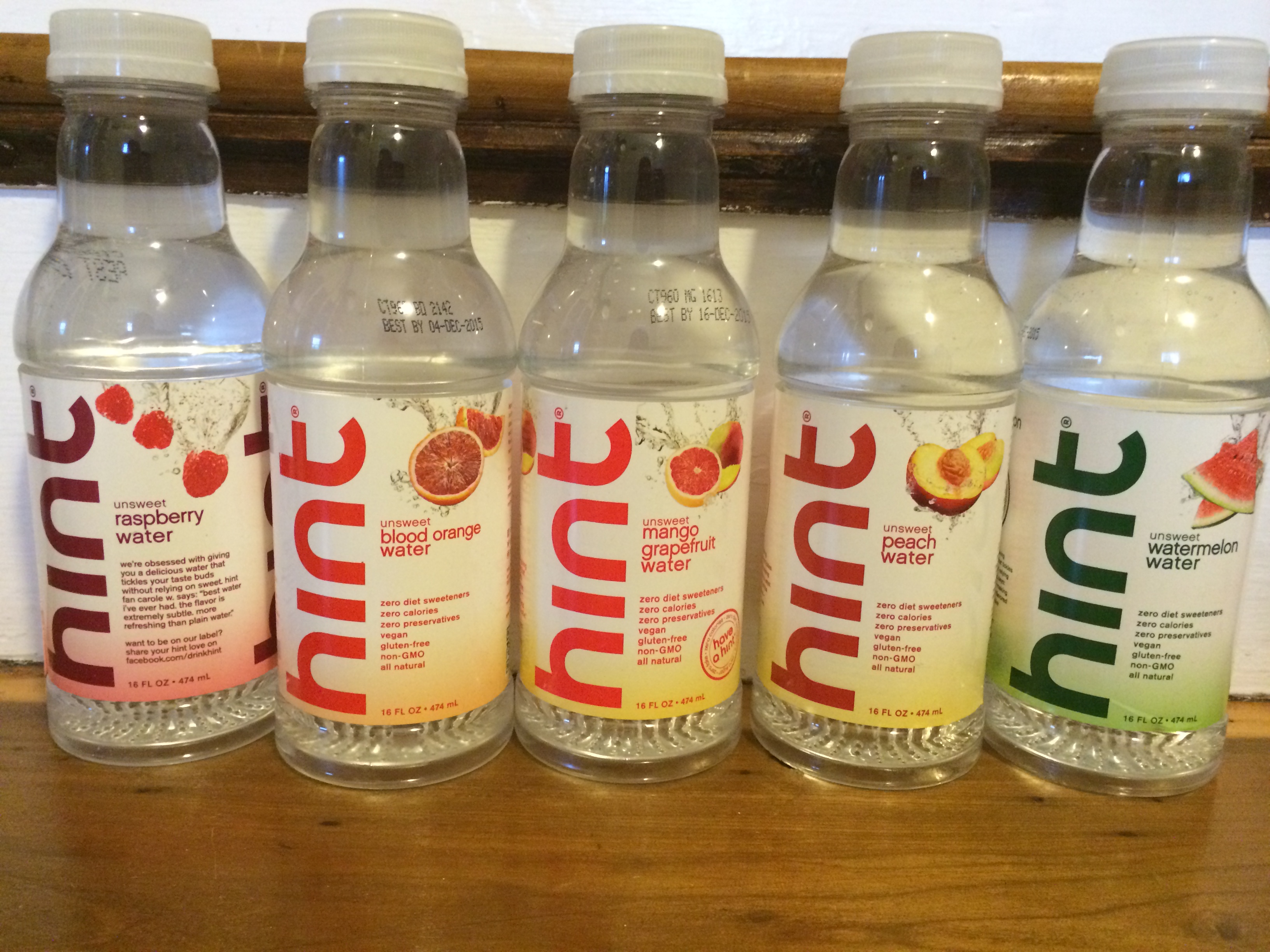
Hydration Comes From More Than Water: Another myth claims only plain water counts. In truth, many beverages and foods contribute to fluid balance. Tea, milk, broth, and diluted juices provide water and, in some cases, helpful electrolytes or carbohydrates. Even modest amounts of coffee are generally net hydrating for habitual drinkers, despite mild diuretic effects. Fruits and vegetables such as cucumbers, melons, oranges, strawberries, tomatoes, and lettuce deliver significant water alongside fiber and micronutrients. Soups and stews can be useful in cooler seasons when cold drinks feel less appealing. Be mindful of added sugars, excessive sodium, or heavy creamers, which may not align with broader health goals. The key is total daily fluids from all sources. Mix plain water with enjoyable options, and feature water-rich foods in meals and snacks to create a satisfying, sustainable hydration pattern without forcing yourself to drink when you are not thirsty.
Thirst Is Wise, Not Perfect: Many people believe thirst is unreliable. While not flawless, it is a helpful signal, especially when combined with other markers like urine color, frequency, and overall well-being. Thirst can lag slightly behind needs during intense activity or when you are deeply focused, so having fluids accessible encourages timely sips. In the morning, a glass of water can ease mild overnight dehydration. Pay attention to signs such as dry mouth, lightheadedness, or concentration dips. Note that some individuals—like older adults or those on certain medications—may experience blunted thirst and benefit from intentional cues. Athletes may require structured drinking during long, strenuous efforts where sweat loss is higher. Use a simple guide: drink to thirst, then consider context—heat, exertion, altitude, and diet. Observe urine color trending toward pale straw without aiming for crystal clear all day, which may suggest overdoing it. Over time, you can calibrate your intake more precisely based on these consistent body signals.
Electrolytes Matter When Sweat Loss Rises: The idea that water alone is always enough ignores the role of electrolytes, particularly sodium, potassium, and magnesium. During prolonged or high-sweat activities, you lose not just water but mineral salts that help regulate fluid balance, muscle function, and nerve signaling. Relying only on plain water in these situations can dilute blood sodium, leading to symptoms like cramping, headaches, or in extreme cases, more serious issues. Consider electrolyte beverages or foods—lightly salted meals, bananas, potatoes, yogurt, or a pinch of salt with diluted juice—when sweating heavily or exercising for extended periods. Avoid overusing high-sugar formulas when intensity or duration is modest; they may add unnecessary calories without proportional benefit. For everyday routines, balanced meals typically cover electrolyte needs. The practical approach is situational: match your hydration to sweat rate, intensity, and duration, using a combination of water, electrolytes, and carbohydrates to support performance, recovery, and steady energy.
More Is Not Always Better: Another myth suggests that maximum hydration equals maximum health. Overdrinking can cause overhydration and, in serious cases, hyponatremia, where sodium becomes too diluted. The goal is balance. Spacing fluids throughout the day generally works better than chugging large volumes quickly. If you are urinating very frequently, waking repeatedly at night to urinate, or noticing persistently clear urine, you may be drinking more than necessary. Consider your salt intake, activity, and climate when adjusting. Those with certain health conditions or on medications influencing fluid or sodium regulation should be especially mindful and follow personalized guidance from a qualified professional. Remember, hydration supports circulation, digestion, temperature control, and cognition, but excess can strain your electrolyte balance. Aim for responsive drinking: honor thirst, monitor urine color, and tailor your intake to your daily demands so that hydration enhances wellness rather than becoming a stressor.
Climate, Altitude, and Everyday Contexts: It is a myth that you only need to focus on drinks during hot summer days. Hydration needs shift with humidity, temperature, wind, indoor heating, air conditioning, and altitude. Dry air—whether from a desert climate or winter heating—can increase insensible water loss through skin and breath. At higher elevations, you may breathe faster and lose more moisture with each exhale. Even on cool days, layered clothing and brisk walks can boost perspiration. Travel adds variables like unfamiliar foods, cabin air, and altered routines that disrupt thirst cues. Break up long sedentary stretches with brief stretch-and-sip moments. If you prefer warm beverages in cold weather, rotate in broths, herbal teas, or warm water with citrus. In hot or humid conditions, plan fluids around outdoor time and check urine color more often. Context-aware strategies keep you comfortably hydrated without overcomplicating your day.
Practical Habits for Sustainable Hydration: Turning knowledge into action requires simple, repeatable habits. Keep water visible and convenient—on your desk, in your bag, or beside your workout gear—to reduce friction. Use habit stacking by pairing sips with existing routines, like after brushing teeth, before meetings, or post-commute. Favor sipping steadily over gulping large volumes at once, which can feel uncomfortable and may pass through quickly. Add natural flavors—citrus slices, berries, mint—to increase enjoyment without excessive sugar. Build water-rich meals with salads, soups, smoothies, or fruit-forward snacks to support intake passively. Before activity, drink modestly; during longer efforts, include electrolytes as needed; after, rehydrate based on thirst and urine color. Adjust for caffeine or alcohol by checking how you feel rather than following rigid offsets. Most importantly, be flexible. A responsive plan tailored to your context is the foundation of better wellness and consistent, confident hydration.