How to Read Food Labels Without Getting Confused
Cut through marketing claims and learn a simple, step-by-step way to read nutrition labels, spot added sugars, and make smarter grocery choices.
Start With Serving Size
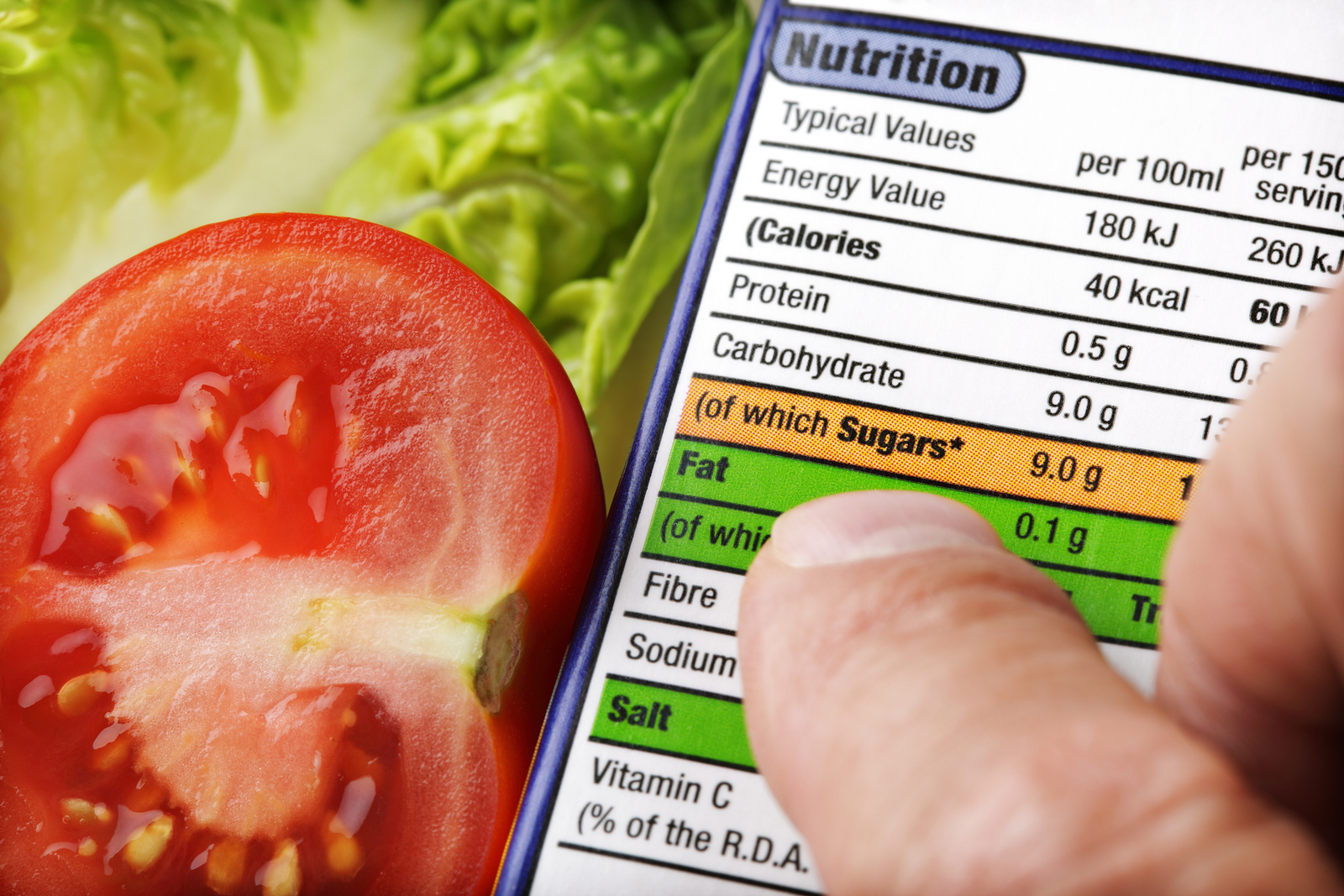
Reading a label starts at the top with Serving Size, the anchor that makes every other number meaningful. Packages often contain more than one serving, so a quick glance at Servings Per Container prevents accidental underestimates. If a snack lists nutrients for a small portion but you plan to eat the entire pouch, you need to multiply Calories, Sodium, Added Sugars, and Saturated Fat accordingly. Pay attention to the unit, whether it is grams, cups, or pieces, because different foods pack differently by volume. Dense foods can hide a lot of energy in a small scoop, while leafy or puffed items look big but weigh little. When comparing brands, normalize portions in your mind by imagining equal amounts or by noting grams. Keep an eye on single-serve items too; some are truly convenient, while others are unexpectedly generous or tiny. Start every evaluation by aligning the label's serving with the portion you will actually eat to keep choices realistic and health focused.
Decode Calories and Macronutrients
Once serving size is clear, interpret Calories and Macronutrients together. Calories tell you energy, while the mix of Carbohydrates, Protein, and Fat shapes satiety, steady energy, and overall nutrition. Under carbohydrates, scan Fiber and Added Sugars; more fiber generally supports fullness and digestive health, while lower added sugars help prevent sharp spikes in energy. Under fat, compare Saturated Fat with unsaturated fats; favor options with less saturated fat and more heart-friendly fats. Protein can stabilize appetite, especially at breakfast or between meals, so consider protein density, not just grams. Energy-dense foods like nuts and seeds can be nutrient-rich but easy to overeat; pair sensible portions with produce or yogurt to balance volume and nutrients. If you are seeking steady energy, prefer high-fiber carbs and moderate protein. For more satiety, look for higher protein with fiber. Let your goals guide the macro balance while keeping calories aligned with your typical activity and hunger cues.
Understand % Daily Value With Confidence
The % Daily Value is a quick compass, not a grade. It shows how much a nutrient in one serving contributes to a typical daily intake. As a general rule of thumb, about 5% Daily Value is considered low, while around 20% is considered high. Use this to spot standouts: a high % Daily Value of Fiber is desirable for most people, while a high % Daily Value of Sodium or Saturated Fat deserves caution. Apply it across the label to minerals and vitamins like Calcium, Iron, and Potassium to identify products that help you meet targets. Treat the numbers as relative, because your needs depend on age, size, activity, and health status. A soup showing a high percentage of sodium may still fit if the rest of your day is low in sodium, but frequent high-sodium choices add up fast. Think of % Daily Value as a budgeting tool that helps you balance nutrients across meals and snacks.
Read the Ingredients List Like a Pro
The Ingredients list reveals quality and formulation. Items appear in descending order by weight, so early ingredients matter most. Look for whole foods and whole grains near the top, such as whole wheat flour rather than enriched or refined flours. Identify Added Sugars by their many names, including cane sugar, dextrose, fructose, brown rice syrup, honey, molasses, and fruit juice concentrate. Scan fats and oils; prioritize unsaturated fats and be cautious with high Saturated Fat sources like certain tropical oils. Watch for partially hydrogenated oils, a clue to Trans Fat, even if the panel lists zero. You may see emulsifiers and gums that improve texture, or preservatives that extend shelf life; these are not automatically problematic, but context, portion size, and frequency matter. For those with sensitivities, check allergen statements and potential cross-contact notes. A short list is not automatically superior, and a long list is not automatically bad; focus on ingredients that align with your health goals.
See Through Claims and Front-of-Pack Hype
Front-of-pack claims can be helpful shortcuts, but they are not the whole story. Phrases like low fat, no added sugar, multigrain, high protein, plant based, gluten free, natural, or organic each mean different things, and some have specific definitions while others are more flexible. A product labeled high protein might also be high in Saturated Fat or Sodium. No added sugar does not guarantee lower calories if starches or concentrated fruit purees are abundant. Multigrain sounds wholesome, yet it may include mostly refined grains; check for whole grain as a leading ingredient and verify Fiber on the panel. Light may refer to reduced fat or calories compared to a reference product, not an absolute number. Ignore the halo created by rustic fonts and nature imagery. Use the claims as prompts to flip the package over, confirm the Nutrition Facts, and ensure the ingredients and numbers support what the front suggests.
Build a Practical, Repeatable Shopping Method
Turn label reading into a simple habit you can repeat under real-world time pressure. First, clarify your priorities, such as limiting Sodium or Added Sugars, boosting Fiber and Protein, favoring unsaturated fats, or choosing simpler ingredient lists. In the aisle, do a fast scan: 1) Serving Size and servings per container; 2) Calories for the portion you will actually eat; 3) core macros, especially Protein, Fiber, Added Sugars, and Saturated Fat; 4) % Daily Value for sodium and key vitamins and minerals; 5) Ingredients for whole grains, added sugars, refined flours, or partially hydrogenated oils; 6) consider front-of-pack claims only after the facts check out. Compare two similar items side by side, and select the one that best fits your goals and budget. Over time, create personal benchmarks, like aiming for more fiber per 100 calories or keeping daily sodium in check. Recheck favorites occasionally, because formulations can change without fanfare.