How to Find the Perfect Fit: Tailoring Tips for Every Body
Discover smart tailoring tips to flatter every body shape: measurements, alterations, and fit hacks that make your wardrobe look custom-made.
Fit foundations
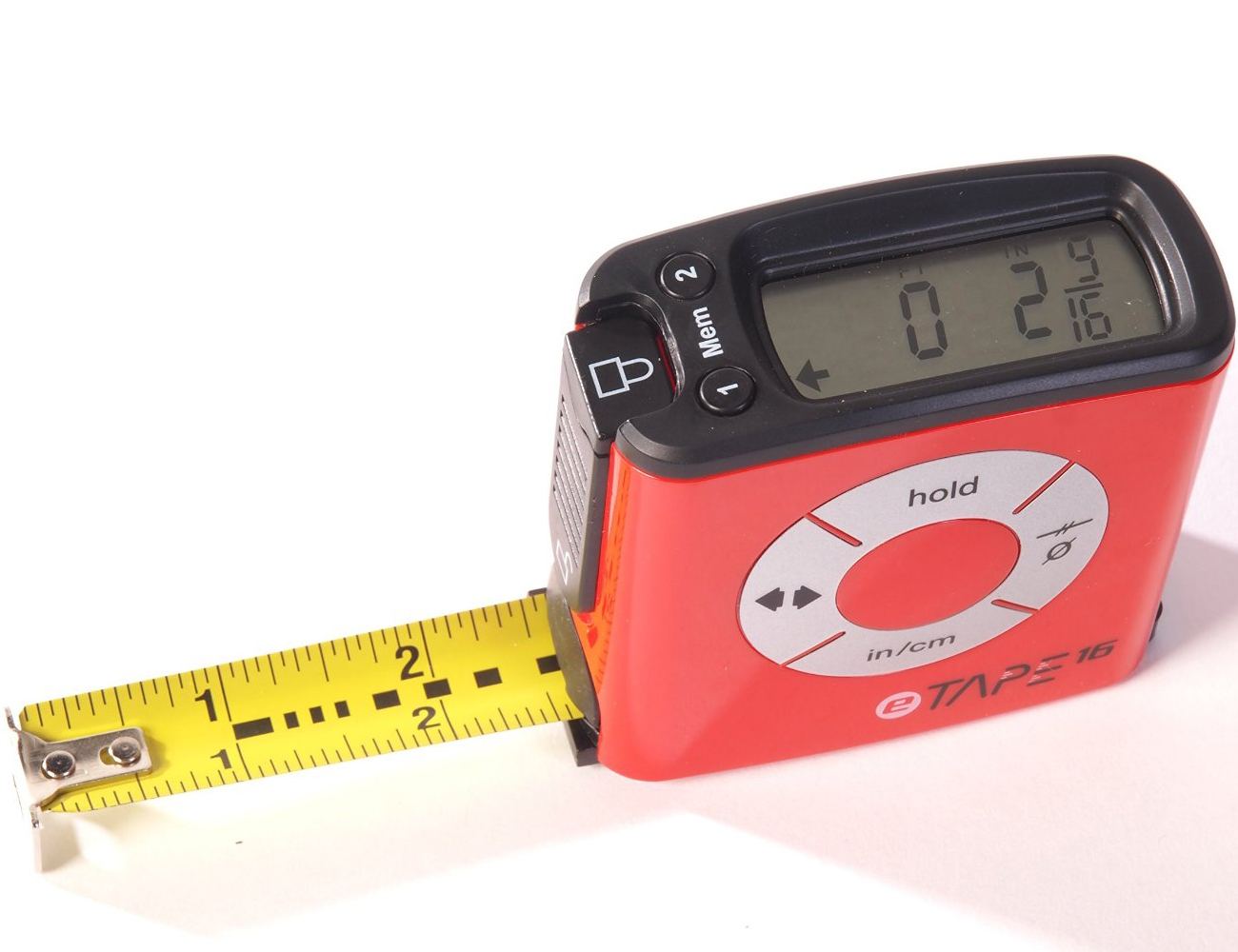
Finding a great fit begins with accurate measurements and a clear understanding of ease. Use a soft tape to record bust, waist, high hip, full hip, shoulder span, bicep, rise, and inseam, then note how you like clothes to sit on your frame. Remember that size labels vary, so trust measurements and how a garment moves on your body. Try pieces while wearing the undergarments and shoes you plan to pair with them, then do a movement check: sit, stretch, and walk to assess comfort, mobility, and recovery. Look for a clean fit at the shoulders first; if shoulders are too wide or narrow, the rest rarely falls right. Evaluate balance from front, side, and back, using a bright mirror and natural light when possible. A slight drape over curves is more flattering than strain, while too much fabric can overwhelm. Prioritize fabrics with reliable recovery and notice where you need structure versus softness. The goal is alignment between your shape, the garment's cut, and your lifestyle.
Mapping your proportions
Great tailoring respects proportions as much as measurements. Identify your visual balance points: shoulders to bust, bust to waist, waist to hip, and overall torso length relative to legs. If your torso runs longer, consider higher rises to lift the waistline and lengthen the leg. If you are leg dominant, mid rises and slightly longer tops can create harmony. Use vertical lines like center seams, open plackets, and elongating lapels to streamline, while waist definition from belts or shaping seams carves gentle structure without clinging. Sleeve and jacket lengths matter: aim for sleeves that graze the wrist bone and jackets that hit at or just below the hip hinge, adjusting for your preferred silhouette. Pants with gentle tapering or a soft wide leg can refine width through the thigh, while hemlines that show the ankle create lift. Skirts and dresses that end at visually narrow points feel lighter. Keep scale in mind: finer patterns read subtler; larger prints command attention.
Fabric and construction clues
Fabric behavior guides fit. Notice drape, weight, stretch, and recovery to predict how a piece will sit throughout the day. Airy wovens float and skim, dense twills hold shape, and knits provide forgiving ease. Look inside for darts, princess seams, and a center back seam; these features allow precise shaping. Check for lining that glides over the body and interfacing in collars, waistbands, and plackets to keep edges crisp. When possible, choose garments with generous seam allowances and deep hems for easier adjustments. Pay attention to pattern placement over curves and avoid heavy embellishment where you may want alterations. Test fabric by gently stretching it and seeing if it snaps back cleanly; poor recovery leads to bagging at knees or elbows. Feel the hand of the cloth; a fluid crepe will soften lines, while a structured canvas will emphasize angles. Construction quality, from even stitching to reinforced stress points, tells you how well a piece will endure tailoring and wear.
Smart alterations that matter
A few targeted alterations can transform almost any garment. Start at the top: shoulder adjustments are complex, so evaluate carefully and consider a pro when the shoulder seam does not align. Fine-tune bust fit with subtle darts to remove gaping at armholes or button plackets. Nipping the waist at the center back preserves side seams and pocket placement, while adding small releases with spare seam allowance can improve comfort. On pants, calibrate rise and seat first, then address tapering through the leg. Choose a hem that suits your shoes: a gentle break for trousers, a clean kiss above the floor for wide legs, or an ankle-grazing crop for definition. Sleeves can be shortened to reveal the wrist, creating polish. When meeting a tailor, wear the garment and intended shoes, stand naturally, and request pins where you want changes. Use clear language about silhouette and function, then review the pinned result from all angles before green-lighting the work.
DIY fitting toolkit and process
You can handle simple tweaks with a basic kit: fabric chalk, glass-head pins or clips, a seam ripper, hand needles, matching thread, fabric scissors, measuring tape, a pressing cloth, and a reliable iron for pressing. Begin with temporary basting stitches to test adjustments without commitment. Mark lines parallel to existing seams to preserve balance, then try on and move. For quick wins, learn a blind hem, short strap lift, button relocation, and subtle side seam take-in at the waist. Fusible hem tape can secure tricky hems before stitching. Always press after each step to set the new shape; pressing is as crucial as sewing. Pre-wash or steam garments to account for potential shrinkage, especially with natural fibers. Keep changes incremental and symmetrical, checking pocket and vent positions so design details stay centered. If you feel resistance or see ripples, pause and reassess the adjustment path. Patience and small refinements produce clean, professional results.
Build a fit-first wardrobe strategy
Sustainable style revolves around fit-first choices. Track your best silhouettes, rises, inseams, and sleeve lengths in a simple note, then shop with those benchmarks. When trying new brands, evaluate at your three checkpoints: shoulders, waist, and hip, plus movement through seat and thigh. Consider a yearly alteration budget to update favorites instead of replacing them, and build a relationship with a trusted tailor who understands your preferences. Prioritize foundational pieces that earn high wear: trousers, blazers, button shirts, knit layers, and versatile dresses. Maintain fit by caring for fabrics properly, using padded hangers for tailored jackets and folding heavy knits to avoid stretching. Revisit fit when your body or routine shifts, and adjust hems to match frequently worn shoe heights. Keep a small repairs kit handy for on-the-go fixes like loose buttons or fallen hems. Above all, honor your shape; confident dressing comes from alignment between design, comfort, and your authentic way of moving through the day.