Gentle Home Workouts That Actually Build Strength
Build real strength at home with gentle, low-impact routines: bodyweight basics, slow tempo sets, resistance bands, and smart progressions for beginners.
What Gentle Strength Really Means
Gentle does not mean easy. Gentle means joint friendly, mindful, and sustainable while still producing real gains in strength. At home, your best tools are bodyweight, controlled tempo, and simple objects like towels, water bottles, or a backpack for load. The key is progressive overload delivered in small, repeatable increments. You can add a little more resistance, slow the lowering phase, increase time under tension, or add a brief isometric hold where you pause and breathe. Keep movements in ranges that feel stable and pain free, and let your capacity expand week by week. A short warmup that wakes up the hips, shoulders, and core sets the tone. A brief cooldown that calms the nervous system seals progress. Think of gentle strength as a practice of alignment, breathing, and consistency that respects your recovery and builds resilience you can feel in daily life, from climbing stairs to carrying groceries with ease.
Start With Alignment and Breath
Before adding reps or load, train your alignment and breathing so every exercise reinforces healthy movement. Stand tall with ribs stacked over pelvis, head gently reaching up, and knees soft. Create a stable base with the foot tripod beneath big toe, little toe, and heel. Hug the shoulder blades lightly into your back pockets without squeezing your neck. Practice diaphragmatic breathing where the ribs widen and the belly expands on inhale, then exhale to engage the deep core and pelvic floor as if zipping up from low to high. Use a light brace you can talk through, not a hard breath hold. Sprinkle in simple isometrics like glute squeezes, a gentle wall sit, or a plank on elevated hands to teach your body to create tension without strain. When you pair clean posture with calm breath, every rep becomes a strength rep that protects joints and powerfully supports your spine.
Lower Body, Low Impact, High Return
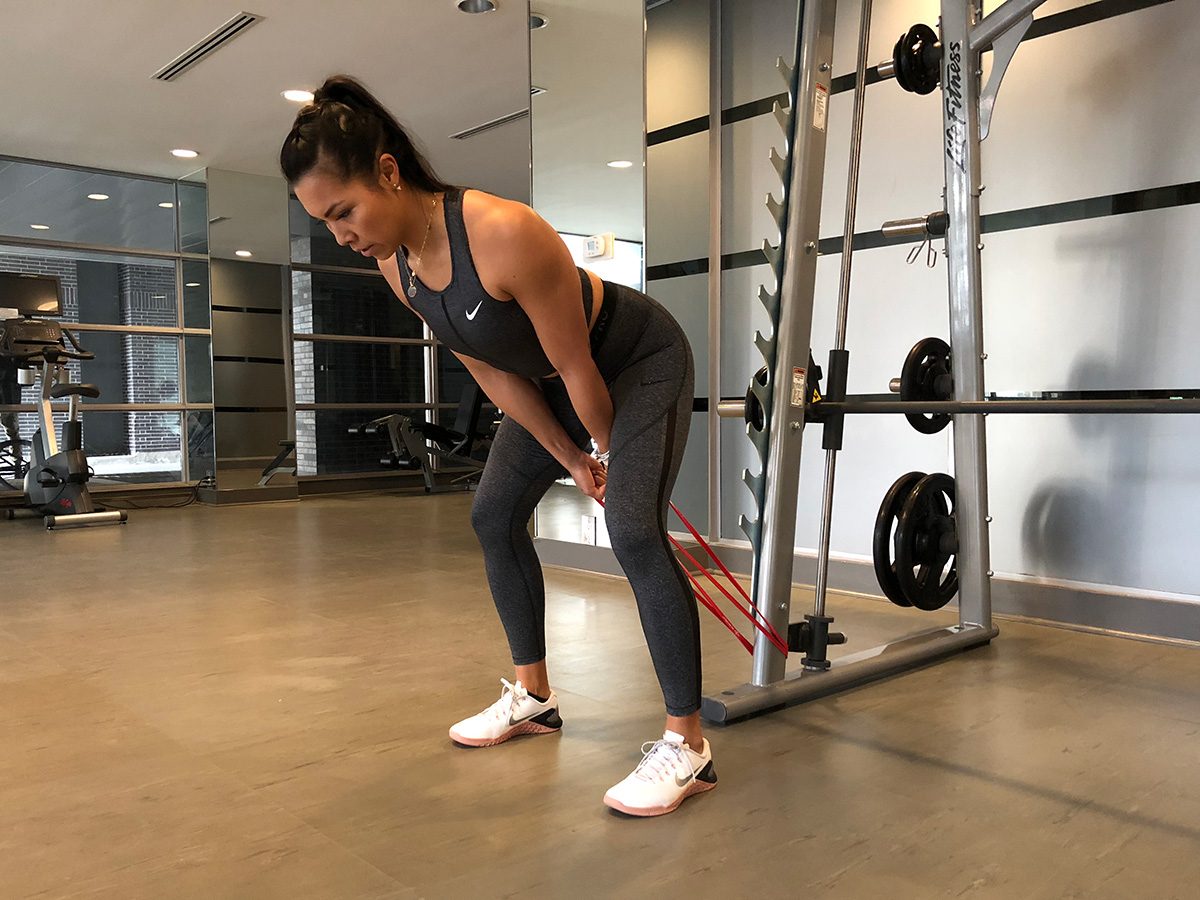
Build strong legs and hips with movements that are kind to knees and back. Start with sit to stand from a chair, focusing on a controlled descent and a smooth rise while keeping knees tracking over mid foot. Add a supported split squat by holding a counter for balance, sinking only as low as your hips tolerate, and pausing briefly at the bottom for time under tension. Train the hip hinge with a backpack held close to your chest, pushing the hips back while keeping the spine long. Glute bridges wake up the posterior chain, and slow calf raises strengthen ankles for better stability. Sprinkle in short isometric holds at end ranges where you feel steady. Progress by extending range a little, slowing the negative phase, or adding books to your backpack. None of this needs to be explosive to be effective. With deliberate tempo and good breath, you will feel real strength building rep by rep.
Upper Body Without Strain
Gentle upper body training focuses on smart angles and controllable loads. Try incline push ups with hands on a countertop or sturdy table to reduce wrist and shoulder stress, lowering slowly and pressing with a long neck and steady ribs. For pulling strength, do backpack rows by hinging at the hips and squeezing elbows back, pausing briefly when shoulder blades meet. Use light bottles for overhead or lateral raises, moving only through ranges where the neck stays relaxed and shoulders stay down. Towels can add resistance for biceps curls or triceps press downs by pulling against your own tension. Add safe isometrics like a doorframe press where you push lightly without moving to groove alignment. Finish with gentle scapular circles and wall slides to nourish mobility. Keep reps smooth, stop two reps before form breaks, and focus on quality contractions. This patient approach builds durable shoulders, arms, and back without irritation.
Core Stability for Everyday Power
A strong core is more than visible abs. It is about resisting unwanted motion so the spine stays happy while your limbs produce force. Start with anti extension and anti rotation drills such as dead bug and bird dog, moving slowly while keeping the rib cage stacked. If side planks are tough, bend knees and hold shorter sets with calm breathing. Add standing press outs with a light band or a backpack held at chest height, pressing forward and resisting rotation to train real world stability. Tall kneeling shoulder presses teach full body tension from shins to fingertips. Carrying a single water jug for short distances trains bracing and alignment under load. Sprinkle these drills between your lower and upper body work instead of saving them for the end. Focus on exhaling through effort, feeling the deep core cinch without gripping the neck. This builds posture, balance, and power you will use all day.
Progression, Recovery, and Consistency
Strength arrives when challenge meets recovery. Progress with micro changes: add a rep, add a small book to the backpack, slow each lowering by one count, or trim a little rest while keeping crisp form. Use an RPE feel scale, finishing sets with one to two reps in reserve so you train, not drain. Track your sessions with a simple log to notice trends and celebrate streaks. Protect your recovery with unhurried walks, mobility snacks, and easy breath work on off days. Quality sleep, adequate hydration, and sufficient protein support your muscles and joints. Learn the difference between normal training soreness and sharp or escalating pain that signals you to stop and adjust. Rotate movements so tissues adapt without getting irritated. Most importantly, stay consistent with sessions you can repeat. Gentle strength is a long game where small, repeatable wins compound into confidence, capacity, and better overall health.
A Simple At Home Session Template
Use this gentle template when you want results without grind. Start with three to five minutes of easy prep: ankle rocks, hip hinges with arms reaching, shoulder circles, and slow breaths to set rib to pelvis alignment. Then perform a lower body move like sit to stand paired with a core drill such as dead bug. Follow with an upper body press like incline push up paired with a row or backpack pull. Keep each set smooth, pausing where you feel control, and breathe through effort. Rest just enough to repeat quality. Add a short finisher that stays kind to joints, like a light carry around the room or a slow wall sit. Cool down with nasal breathing, gentle spinal rotations, and a calf or hip stretch. Adjust volume by changing tempo, range, or one small load increase, not by thrashing yourself. This repeatable structure builds strength, supports health, and leaves you energized for life outside the workout.