Fragrance Layering 101: Craft Your Signature Scent
Learn to layer perfumes like a pro: understand notes, combine textures, and time your sprays to build depth, longevity, and a signature scent.
Layering Basics: Fragrance layering is the art of combining scents to create a signature scent that feels unmistakably yours. Rather than relying on a single bottle, you blend complementary accords so the composition evolves on your skin with depth and personality. Think of the perfume pyramid: top notes introduce sparkle, heart notes add character, and base notes provide comfort and longevity. Layering lets you adjust this structure, amplifying nuances like citrus brightness, floral silkiness, or woody warmth. It's a creative, sensory extension of your beauty routine, much like mixing lip and cheek tones to balance a look. When done thoughtfully, layering enhances sillage (the scent trail) and longevity without shouting. It can soften a bold perfume, boost a delicate one, or freshen a rich blend for daytime. Start with intention: decide the mood you want—cozy, radiant, or mysterious—and build from there. With practice, you'll read your fragrances like ingredients in a recipe, aligning them to shape a polished, memorable presence.
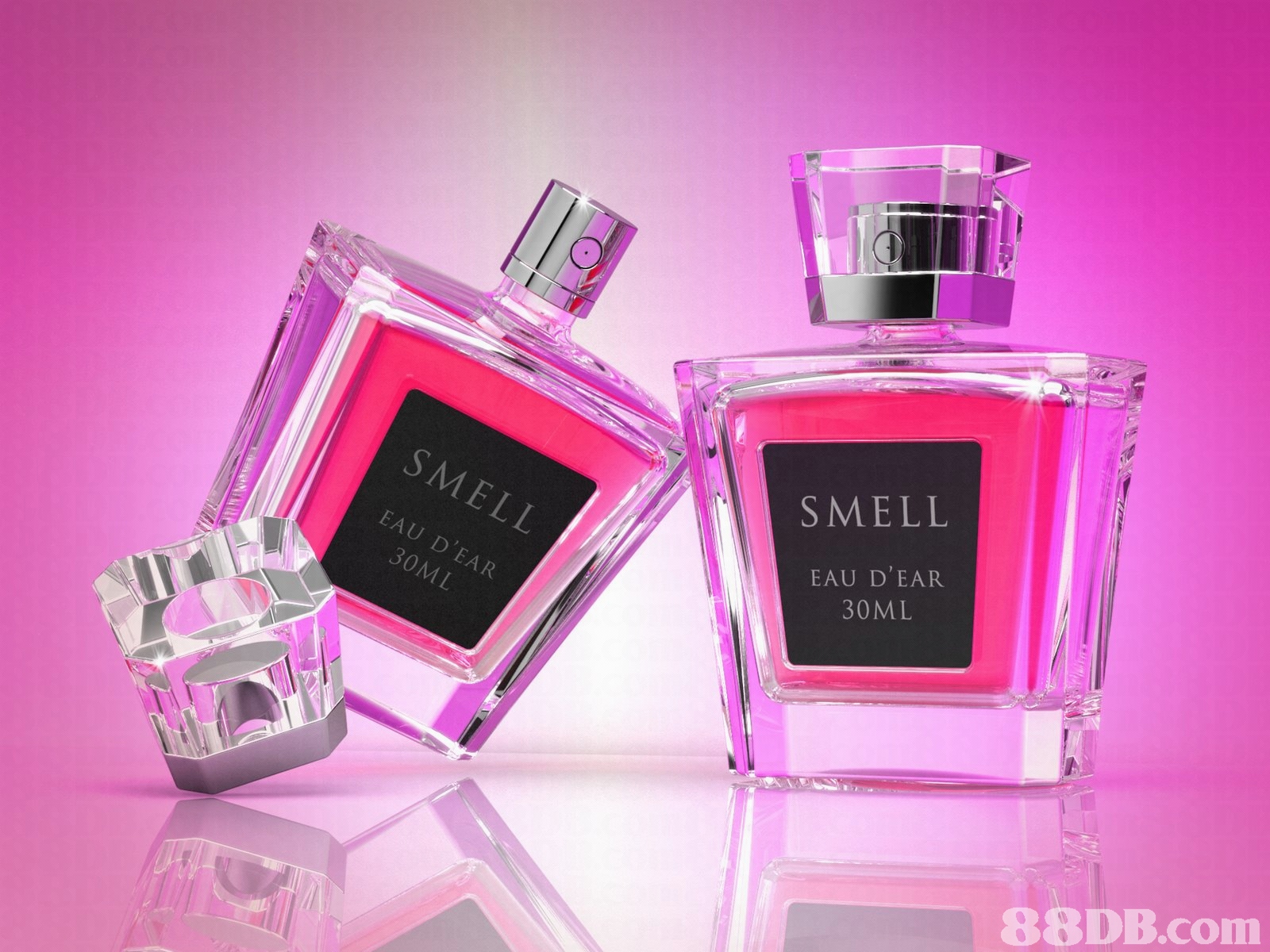
Know Your Notes: To layer confidently, learn the language of notes and families. Citrus, green, and aquatic profiles feel airy and refreshing; florals bring romance and texture; woody, amber, and musk notes add depth and sensuality; gourmand touches like vanilla, tonka, or cocoa deliver comforting sweetness; aromatics such as lavender, sage, or rosemary provide cleanliness and lift. Understanding volatility helps: top notes flash first and fade fast, heart notes bloom mid-wear, and base notes linger. This informs your sequence; typically, anchor with long-lasting bases and accent with livelier tops. Consider temperature and skin chemistry, too. Warm skin can amplify spice and resins, while drier skin may benefit from extra moisture to hold softer accords. When pairing, aim for harmony or intentional contrast: creamy vanilla rounding a citrus spritz, rose lighting up oud, or bergamot cutting through a dense amber. These pairings create dimension without muddiness.
Prep and Placement: Skin preparation is the unsung hero of scent layering. Apply an unscented or lightly scented body lotion or oil to moisturize and create a smooth canvas; fragrance clings better to hydrated skin. If you love cohesion, choose a matching shower gel or cream in a similar family to set the tone. Placement matters: spritz pulse points—wrists, inner elbows, neck, and behind knees—where heat diffuses aroma. For nuance, place heavier base fragrances lower on the body and fresher accents higher, so the ascent feels airy. Mist hair or clothing lightly only if your formula is fabric-safe; some oils and dark juices stain. Consider concentration: eau de toilette can lift and brighten denser eau de parfum or oil-based scents. Let each layer settle for a few moments before adding the next, so you can sense evolution. The goal is an intimate, polished aura that aligns with your beauty ritual, not an overpowering cloud.
Build a Wardrobe: Curate a compact, versatile fragrance wardrobe with roles in mind. Start with reliable anchors: a clean musk, soft vanilla, smooth sandalwood, or warm amber that sits close to skin and extends wear. Add character pieces—think rose, iris, jasmine, tea, or cedar—that bring distinct personality. Round out with brighteners like bergamot, grapefruit, or green notes to refresh heavy blends, plus a cozy gourmand to sweeten or comfort. Keep a sheer skin scent for minimalist days and a textured statement scent for evenings. Sample before committing; skin chemistry can transform the same perfume. Test simple duos: musk + citrus for clean sparkle, vanilla + wood for creamy elegance, tea + rose for airy romance. Then try trios: base for cushion, heart for character, top for lift. Think in ratios—more of your anchor, a touch of your accent—so you can tweak intensity without losing balance.
Smart Layering Methods: Approach layering with structure. The anchor–accent–veil method works universally: start with an anchoring base (like musk, amber, or sandalwood), add an accent for personality (rose, violet, incense, or cardamom), then veil with a sheer brightener (citrus, aldehydic, or green mist). For minimalist days, try a linear stack: two perfumes in the same family, such as citrus + citrus, for cohesion. For drama, use contrast pairing: creamy vanilla against smoky vetiver or sparkling bergamot over dense oud. Control strength through application: two sprays of the anchor on torso, one of the accent on wrists, a final mist of the veil across shoulders. Oils first, sprays second helps the scent cling. If your top note fades quickly, keep an atomizer to refresh the veil without disturbing the base. Document combinations you love to build repeatable formulas.
Mood and Setting: Let mood, setting, and climate guide your blends. For bright mornings, amplify clarity: bergamot or grapefruit over a delicate musk creates a crisp, professional aura that suits open offices and light fabrics. For cozy afternoons, add vanilla or tonka atop sandalwood for soft comfort that hugs close. Evenings invite plush textures: rose with patchouli and a whisper of incense reads sophisticated without heaviness if you balance doses. In warmer weather, choose airy citrus, herbal, and tea notes to avoid overload; in cooler air, richer amber and resins feel enveloping and elegant. Consider activity level—movement boosts sillage, so reduce sprays if you'll be active. Fabric also influences projection: knitwear muffles, silk diffuses. Align your beauty look to finish the story—dewy skin complements sparkling tops, while a satin complexion pairs well with velvety bases.
Fixes and Pitfalls: Common layering pitfalls include over-spraying, clashing families, and sweetness overload. If a blend turns syrupy, temper with a crisp citrus or green veil to restore lift. When a heavy oud or amber dominates, dilute by applying it to torso, not neck, and place your bright accent on exposed pulse points. If florals feel sharp, cushion with a soft musk or milky sandalwood. Avoid mixing too many bold statements—two stars can fight; let one lead. Watch for ingredients that fatigue the senses, like strong tuberose or potent synthetics, and use them sparingly. Sequence matters: oils first, then sprays, then airy mists. Give each layer a brief dry-down to prevent muddiness. If you overdo it, blend a pump of unscented lotion on top to diffuse intensity without stripping. Keep fabrics in mind; some concentrates stain, so spritz from a distance or apply to skin only.
Rituals and Mastery: Mastery grows through mindful rituals. Keep a simple scent diary noting combinations, ratios, settings, and wear time so you can refine with intention. Decant favorites into travel atomizers to re-balance on the go—refresh a faded top note without disturbing your base. Store bottles away from heat and light to preserve notes. Rotate blends to keep your senses fresh and prevent nose fatigue. Develop a few go-to recipes: a daytime clean blend (musk + citrus), a soft-date comfort (vanilla + tea + rose), and an evening signature (amber + rose + incense), then adapt with micro-shifts based on mood. Practice etiquette: aim for an intimate radius in close quarters and save expansive sillage for open, ventilated spaces. Above all, trust your taste. Fragrance layering is personal, creative, and deeply tied to your beauty identity—when it feels effortless and distinctly you, you've crafted a true signature.