Family-Friendly Adventures: Trips Kids and Parents Love
From national parks to beach escapes and city breaks, discover easy itineraries, budget tips, and playful stops that keep kids happy and parents relaxed.
Start Smart: Planning With Kids in Mind
A family trip works best when everyone has a voice. Invite children to help choose destinations, vote on activities, and build a flexible itinerary that alternates high-energy fun with calm downtime. Aim for kid-friendly lodgings near parks or transit, and prioritize amenities like a kitchenette, laundry, and blackout curtains to protect sleep. Pack intentionally: a small first-aid kit, collapsible water bottles, layers for changing weather, and a comfort item for younger travelers. Create a simple budget and let kids track small expenses to build money sense. Assign playful roles, such as map captain or snack steward, to cultivate ownership. Draft Plan B options for rain or crowds, and use color-coded packing cubes so everyone finds what they need fast. Before departure, set expectations around safety, screen time on transit, and how the family will make decisions on the go. With shared planning and clear rhythms, parents feel less stressed, and kids feel genuinely included.
Great Outdoors: Parks, Trails, and Wildlife
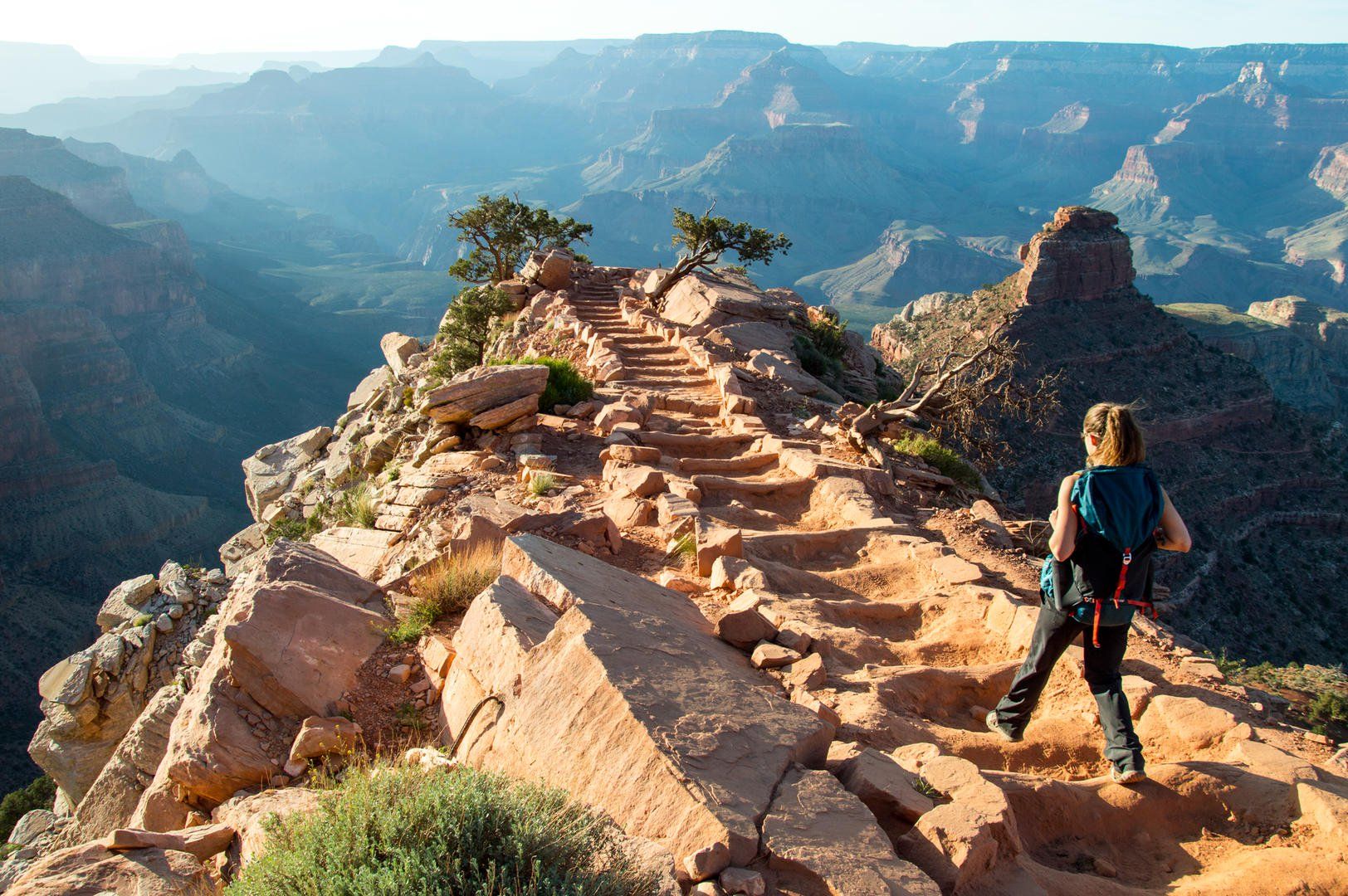
Nature-centered trips deliver memory-rich moments and teach stewardship. Choose trails with loop options and clear wayfinding, and build a safety routine that includes check-ins, sunscreen, and layered clothing. Bring a simple discovery kit: lightweight binoculars, field cards, pencils, and zip bags for leaf rubbings or sketches. Turn hikes into games with trail bingo, sound scavenger hunts, or a rotating storyteller. Visit visitor centers for interactive exhibits and ranger talks that transform landscapes into hands-on learning. Practice Leave No Trace habits by packing out snacks and treading gently near habitats. Start early to beat heat and crowds, and use snack breaks as opportunities to observe clouds, tracks, or bird behavior. If camping, keep bedtime flexible but predictable; if day-tripping, pencil in a picnic with shade and a view. Whether you are exploring waterfalls, canyons, or gentle meadows, the outdoors offers affordable, screen-light magic that lets kids lead and parents truly relax.
Sun, Sand, and Shoreline Fun
Beach escapes can be both energizing and restful when you plan for comfort and sun safety. Pack a shade shelter, wide-brim hats, reef-safe sunscreen, and a rinse jug for sandy feet. Establish simple water safety rules: swim near lifeguards, respect flags and currents, and use visible rash guards. Create a sand toolkit with buckets, molds, and a small trowel to inspire engineering-minded castles and tide channels. Explore tide pools at low water with patience and respect, watching for tiny crabs and darting fish while leaving everything as found. On breezy days, fly kites or try a shoreline scavenger list that includes textures and colors rather than shells to collect. Keep lunches easy with a cooler, bento boxes, and lots of hydration. For variety, add a low-cost nature walk through coastal dunes or a nearby boardwalk, seeking birds and sea grasses. Build in downtime with audiobooks under the umbrella, balancing action with restorative quiet.
Urban Discoveries: Cities That Welcome Families
Cities offer a dynamic blend of culture, play, and hands-on learning. Choose a neighborhood base near a park or playground so kids can burn energy between sights, and rely on public transit as an attraction in itself. Craft days around one major anchor, like a museum or botanical garden, and follow it with free exploration of markets, riverfronts, or pocket parks. Museum fatigue fades with interactive galleries, sketch challenges, or photo scavenger hunts that focus on shapes, colors, and patterns. Seek out kid-friendly bites at food halls where everyone can sample something different, and schedule a daily pause for naps or quiet reading. Look for street art corridors, community festivals, and outdoor concerts where children can move freely. Keep rain plans ready: science centers, historic arcades, or covered markets. For parents, mix in a coffee stop with a playground nearby. When families balance culture with open spaces, a city break becomes both educational and genuinely fun.
Getting There: Road Trips and Rail Rides
Travel time can be a highlight, not a hurdle, with a little structure and variety. For road journeys, build a flexible itinerary that includes scenic pauses at playgrounds, short hikes, or quirky viewpoints. Pack a snack tackle box with bite-size fuel, and rotate activity kits: coloring, puzzle cards, and reusable sticker scenes. Audiobooks, singalongs, and window bingo keep minds engaged, while regular stretch stops protect everyone's mood. Choose lodgings with a pool or courtyard to reset energy after long drives. Trains deliver a spacious, low-stress alternative; face seats for conversation, stroll to the observation car, and create a quiet corner for reading or sketching. Keep chargers, wipes, and a mini first-aid pouch accessible, not buried. Build in time buffers so delays do not unravel plans, and celebrate progress with small milestones. When the journey includes movement, choice, and comfort, kids stay curious, and parents preserve the calm that makes adventures shine.
Culture, Food, and Meaningful Moments
The most loved trips often center on connection. Seek responsible travel that respects local communities and celebrates tradition. Visit markets to learn ingredients, join a family-friendly cooking class, or sample regional treats in small bites to reduce risk and increase fun. Learn a few basic phrases together, and talk openly about customs and dress codes when visiting sacred or historic places. Support local guides and artisans, choosing handmade souvenirs that tell a story. Build gentle giving back into your plans, like a brief beach cleanup or supporting community enterprises, and discuss ethical wildlife encounters that prioritize animal welfare. For sustainability, carry refillable bottles, sort waste, and embrace public transit or walking wherever possible. Capture memories with a shared journal, sketchbook, or nightly highs-and-lows circle that helps kids process what they have seen. These intentional rituals turn travel into meaningful learning, deepen empathy, and create the kind of family lore that lasts.