Denim Decoded: Cuts, Washes, and Styling Essentials
Decode denim with a guide to cuts, washes, and foolproof styling: choose the right fit, master care, and build effortless looks for every season.
Fit Foundations: Denim is a wardrobe constant, but the way it fits determines whether it looks intentional or accidental. Start by understanding rise, inseam, seat, thigh, and leg opening. The rise sets your balance point: higher rises emphasize the waist and lengthen legs, while lower rises relax the line and feel laid-back. The inseam controls the break over your shoes; a minimal break reads neat, while a small stack feels street-ready. In the seat and thigh, look for smooth lines with no pulling at the crotch or across the pockets. A quick squat test reveals if there is enough ease. Consider drape and recovery: rigid denim has structure and molds to you over time; stretch blends create comfort and snap back after wear. Expect some shrinkage or give, and plan for minor alterations like hemming or tapering. The goal is a clean top block, controlled leg shape, and movement that feels effortless.
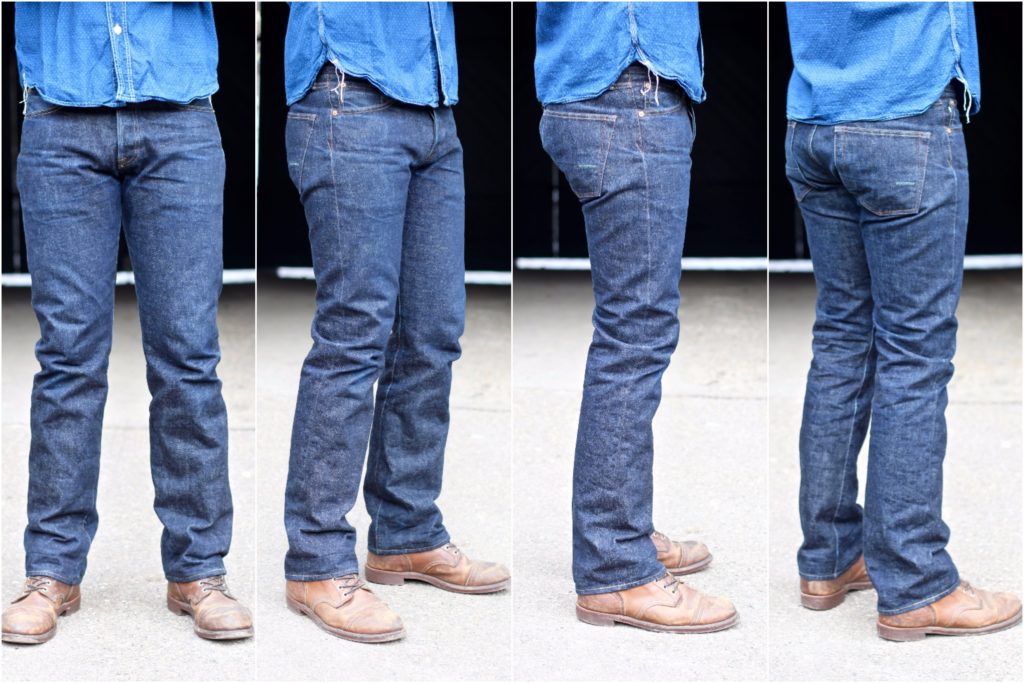
Cut Comparison: Your preferred cut should complement your proportions and your routine. Skinny and tapered fits sharpen the line from knee to ankle, pairing well with tailored jackets and sleek sneakers. Slim offers a streamlined, versatile silhouette without clinging, ideal for daily wear. Straight reads timeless and balances broader shoulders or athletic thighs. Relaxed ensures ease through the seat and thigh, rolling neatly at the cuff for a modern slouch. Bootcut subtly widens below the knee, balancing heavier footwear and adding length to the leg. Wide-leg delivers architectural shape and airflow, especially striking with cropped tops or structured coats. Use cuffing to tune proportions: a single cuff adds weight at the hem, while a double cuff shortens the visual line. Consider the leg opening in relation to shoe volume; narrow openings suit low-profile footwear, while wider openings drape elegantly over boots.
Rise and Proportion: Choosing the right rise is about balance from shoulder to ankle. A high-rise defines the waist, visually extending the legs and supporting tucks, belts, and cropped layers. A mid-rise is adaptable and understated, aligning with most tops and jackets. A low-rise reads casual and relaxed, lowering the visual midpoint of the body. Think in thirds: if your torso is long, a higher rise and modest inseam break restore symmetry; if your legs are long, a mid-rise with a slightly longer inseam keeps continuity. Curvier shapes benefit from rises that fully cover and anchor the waist, preventing gaping at the back; straighter frames gain dimension from darts, contoured waistbands, or a slight taper. When styling, a tucked or half-tucked top with a high-rise sharpens the vertical line, while longer knits over a mid-rise soften it. Belts, front creases, and pleat details can further sculpt proportion without sacrificing comfort.
Fabric and Weight: Denim's personality lives in its weave, fiber blend, and weight. 100% cotton denim is rigid, shaping with wear for a custom feel; expect a break-in period and long-term character. Stretch-infused denim, usually with a touch of elastane, increases mobility and recovery, maintaining shape across long days. Lightweight denim breathes for warm weather and layering. Midweight hits the everyday sweet spot: sturdy yet responsive. Heavyweight offers structure, pronounced drape, and deeper fades, perfect when you want a sculpted leg line. Look for selvedge edges as a signal of tightly woven fabric and clean construction; it's a detail, not a requirement, but often correlates with durability. Ring-spun yarns and slub textures add visual depth, enhancing the way a wash catches light. Consider the hand: a dry, papery feel suggests crisp structure, while a soft, brushed face leans cozy. Choose based on climate, frequency of wear, and the silhouette you want to project.
Washes and Finishes: Wash sets the mood. Raw or rinse denim starts deep and inky, developing highs and lows with wear for a personalized patina. Dark wash feels refined and dress-up friendly, easily paired with blazers and polished shoes. Medium wash bridges casual and smart-casual, complementing everything from knits to oxford shirts. Light wash leans relaxed and sunlit, great with airy layers and sneakers. Black and charcoal read sleek, while grey adds softness with subtle edge. Finishes like whiskering, fading, and abrasion create dimension; keep them minimal for versatility or embrace them for lived-in character. Stone and enzyme processes soften fabric, while overdye and resin treatments dial intensity or sheen. Test for color bleeding by rubbing a white cloth on the hem, and pair fresh deep washes with darker tops initially. Let wash guide your outfit's tone—darker for structure and polish, lighter for ease and openness.
Styling Playbook: Build outfits by balancing texture, proportion, and contrast. For casual confidence, combine medium-wash straight jeans with a crisp tee, relaxed overshirt, and low-profile sneakers, adding a single cuff to frame the footwear. To dress up, choose dark, slim or tapered denim, a tucked button-down or knit polo, and a soft-shouldered blazer; finish with loafers or minimalist boots. Monochrome looks lengthen the silhouette, while tonal layering keeps interest without clutter. Crop or cuff to reveal a bit of ankle for lightness, or drape the hem over chunkier shoes for grounding. Use a belt to define the waist on high-rise pairs, or skip one for a clean line with a mid-rise. Lean into outerwear—trucker jackets, chore coats, trench silhouettes—to shape the outfit's mood. Subtle accessories, like textured socks or a watch strap, echo the denim's color story, ensuring the look feels cohesive from head to toe.
Care and Longevity: Thoughtful care stretches value and deepens character. Wash jeans inside out on a gentle cycle in cold water with mild detergent to protect dye and reduce fiber stress. Space out washes—spot clean when possible—and air dry flat or on a hanger to maintain shape and prevent heat damage. While damp, smooth the leg seams and align the outseams to preserve crisp lines. For raw or dark pairs, launder minimally at first to encourage even wear patterns. Address repairs early: darning, patching, or reinforcing pocket corners avoids larger rips. Hem to the correct inseam for your most-worn shoes; ask for an original hem or chain-stitch finish if you like authentic roping. Store folded to save space or hang by the waistband to prevent creases. Rotate between pairs to allow recovery, and keep a small fabric brush on hand to lift dust and keep the surface looking fresh.
Sustainability and Smart Buying: Intentional choices reduce waste without sacrificing style. Favor quality construction—secure bartacks, tight stitching, robust rivets, and sturdy pocket bags—over quantity. Prioritize versatile washes and classic cuts you will wear frequently; calculating cost per wear encourages better decisions. Consider fabrics that use responsible cotton, recycled fibers, or water-saving processes, and explore pre-loved options to extend a garment's life. Choose minimal distressing for maximum longevity, then personalize with tailoring or thoughtful alterations. Keep a note of your best measurements—waist, rise, thigh, knee, and leg opening—to compare across brands and styles. When jeans fade, embrace the evolving patina, and when needed, repair rather than replace. Build a small capsule of denim that covers casual, smart-casual, and work-ready scenarios, ensuring every pair earns its place. Sustainable style is a habit: care well, buy wisely, and wear often.