Classic Road Trips: Scenic Routes, Rest Stops, and Viewpoints
Hit the open road with timeless routes, smart rest stop planning, and must-see viewpoints - your guide to safer, scenic drives from coast to mountain pass.
The Allure of the Open Road
Classic road trips endure because they blend freedom, discovery, and a rhythm that feels both spontaneous and intentional. The best journeys prioritize scenic routes, thoughtful rest stops, and memorable viewpoints that turn miles into moments. Begin by choosing a theme—coastal curves, mountain ridgelines, desert expanses, or forest parkways—then shape an itinerary that favors backroads over busy arteries. Build in generous margins for detours, seasonal surprises, and photo breaks, and embrace slow travel as a feature, not a flaw. Scout official pullouts and picnic areas to pause safely where the vistas are widest. When possible, time your stretches to catch soft morning light or the warm hues before dusk. Pack layers, a reusable water bottle, and a small comfort kit so you can linger longer at impromptu overlooks. Above all, practice route awareness: respect posted signs, use designated turnouts, and avoid stopping on narrow shoulders. With patience and curiosity, the road becomes the destination.
Coastal Highways and Ocean Horizons
Coastal drives deliver an ever-changing gallery of cliffs, dunes, and tide-washed coves, where sea breeze and ocean light elevate even the simplest stop. Seek routes with frequent turnouts, beach access points, and protected overlooks that allow unhurried appreciation of sweeping horizons. Well-placed rest stops often include picnic tables, restrooms, and interpretive signs that illuminate marine life, lighthouse history, and shoreline geology. Use scenic routes that trace headlands and estuaries for a medley of sheltered inlets and dramatic surf. Fog can roll in without warning, so dim your speed and keep headlights on; when visibility improves, drift into signed viewpoints rather than pausing on active lanes. Coastal towns provide fresh markets and cafés—ideal for stocking a cooler with snacks that travel well. Watch for seabirds drafting the wind, migrating whales breaching offshore, and tidal pools teeming with color. Bring a light windbreaker, secure hats and cameras, and let the soundtrack be the rhythmic pulse of waves.
Mountain Passes and Sky-High Viewpoints
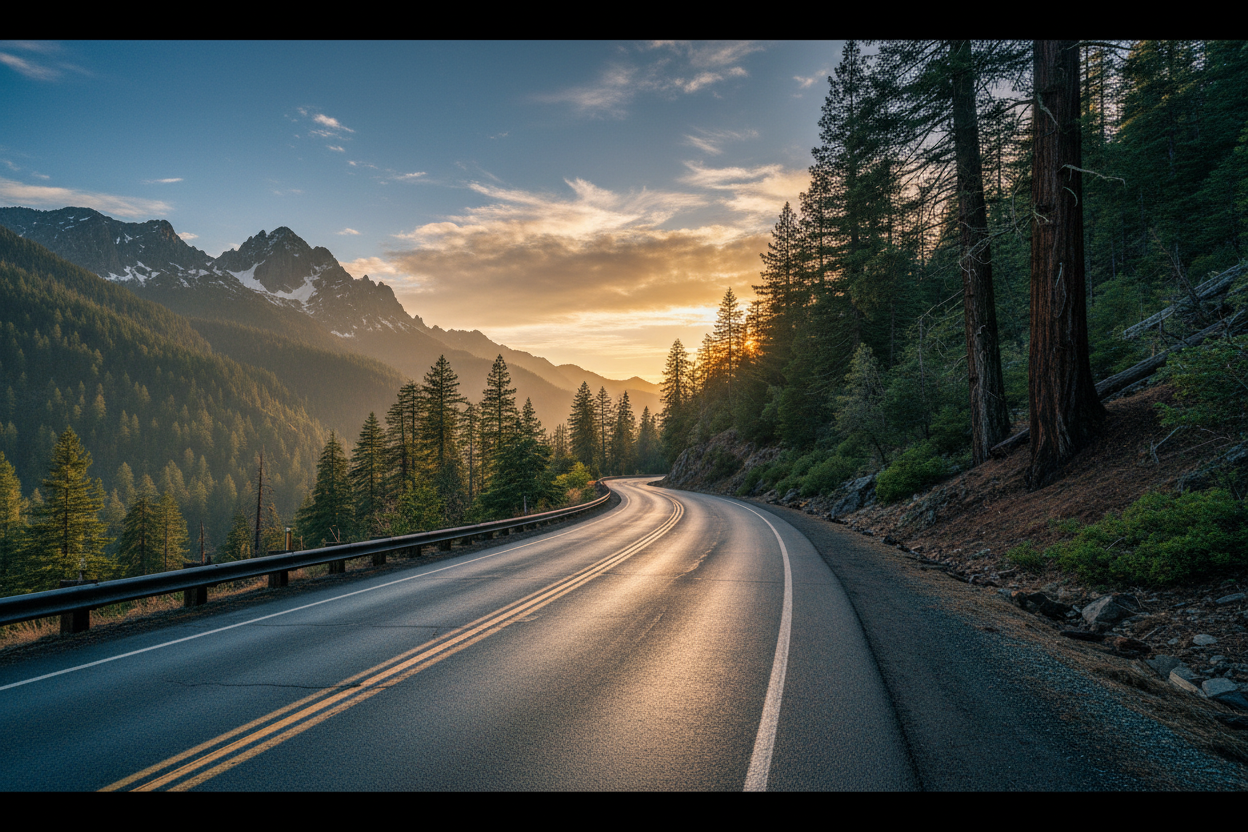
Mountain road trips reward patience with panoramas: jagged peaks, alpine meadows, and valleys that unfurl beneath lofty overlooks. Select scenic routes designed with safe switchbacks, guardrails, and abundant viewpoints; these engineered pauses are built for photos and reflection. Elevation changes can affect both vehicles and bodies, so sip water frequently and use engine braking on long descents to spare your brakes. Weather shifts quickly at altitude—carry layers, a compact blanket, and traction-friendly footwear for short walks to promontories. Trailheads near official rest stops often include maps, freshwater spigots, and shaded picnic shelters, making them perfect bases for stretching and breathing in the pine-scented air. In clear conditions, ridgeline turnouts offer soaring perspectives; in cloud or mist, they become ethereal theatres of light. Keep an eye out for wildlife near meadows and streams, and never feed animals. If you hear thunder, retreat below treeline and resume when conditions stabilize. The goal is to savor elevation, not rush it.
Desert Byways and Canyon Vistas
Desert drives showcase a different kind of drama: vast skies, sculpted rock, and silence that sharpens the senses. Lean into scenic routes that loop through mesas, badlands, and rim roads, pausing at marked viewpoints where the land falls away into layered canyons. Heat management is essential—carry extra water, a broad-brimmed hat, and sun protection, and plan rest stops at shaded pavilions or visitor pullouts. Roads can be deceptively straight, inviting speed, but sudden dips, sand patches, and wildlife crossings demand steady focus. Early and late light enriches color, revealing crimson cliffs and honeyed sandstone; midday is ideal for museum stops or siestas beneath cottonwoods. Nightfall invites stargazing in dark-sky areas—park only in designated lots and use red lights to preserve night vision. Respect cryptobiotic crusts and delicate flora by staying on durable surfaces. Keep your camera ready for silhouettes on the horizon, distant thunderstorms, and the quiet geometry of desert shadows.
Forests, Lakes, and Tranquil Parkways
Beneath cathedral canopies and along mirror-bright lakes, forest parkways invite unhurried cruising and mindful listening: birdsong, breeze, the hushed roll of tires on shaded asphalt. Favor scenic routes that meander beside shorelines, cross wooden bridges, and pass trailheads with signed viewpoints—fire towers, boardwalks, and gentle overlooks perfect for families. Many rest stops in wooded corridors offer potable water, trash receptacles, and picnic circles arranged under tall pines or hardwoods, encouraging longer breaks and leisurely meals. Moist environments can bring insects, so pack repellent and light layers that dry quickly. After rainfall, waterfalls swell and forest scents intensify; drive attentively as leaf litter and moss can make curves slick. Explore looped side roads to discover lily-dotted coves, marsh lookouts with bird blinds, and quiet beaches where canoes slide into glassy water. Respect wildlife crossings, yield to cyclists, and dim high beams in wildlife-rich dawn and dusk hours. Tranquility is the forest's signature amenity—arrive softly and stay awhile.
Smart Planning: Rest Stops, Safety, and Flow
A timeless road trip balances momentum with mindful pauses. Build a flexible itinerary that spaces rest stops at regular intervals—enough to restore focus, stretch, and enjoy local character. Pack a cooler with water, fruit, and snacks that resist heat; add a small bin with wipes, a first-aid kit, a flashlight, and a compact blanket for impromptu picnics at viewpoints. For navigation, combine paper maps with offline tools, and designate a co-pilot to manage directions and playlists. Practice safety etiquette: use designated pullouts, signal early, and never block narrow lanes for photos. Uphold leave no trace principles by packing out waste, respecting closures, and sticking to marked paths. Seek roadside farm stands and community markets for fresh tastes that anchor memories. Consider accessibility by noting surfaces, gradients, and facilities at scenic stops. Most of all, let curiosity guide detours—when a hand-painted sign promises a overlook or a hidden beach, follow it, then rejoin the flow refreshed.