Checkout Psychology: Tricks Stores Use and How to Shop Smarter
Stores design checkouts to trigger impulse buys and bias your choices. Learn the psychology behind these tactics and simple habits to shop smarter.
The Science Behind Impulse Buys
Stores design checkout areas to trigger fast, emotional decisions right when your guard is down. The line slows you, your attention narrows, and small items sit within reach, nudging impulse behavior. Your brain anticipates a tiny reward, releasing a burst of dopamine, especially when you see scarcity signs or subtle social proof cues like popular picks. Meanwhile, decision fatigue from choosing throughout the store makes you more likely to say yes to a last-minute treat. The pain of paying is also softened by frictionless options such as contactless cards or stored wallets, making add-ons feel painless. Even the placement of bright, bite-size goods or practical fixes like chargers and lip balm is intentional, banking on low effort and high immediacy. Understand that this is not a personal failing; it is engineered performance. Recognizing these behavioral triggers is the first step toward control. When you label the setup as designed persuasion, you create mental distance, buy time, and regain the power to choose deliberately.
Guided Paths and Subtle Placement
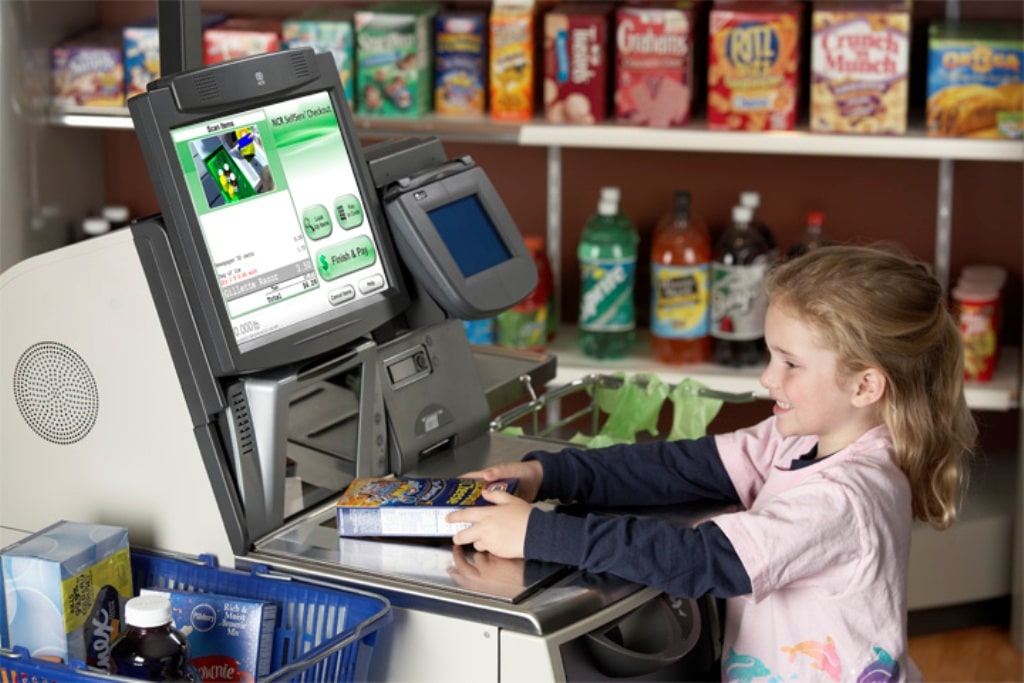
The route to checkout is rarely neutral. Stores use guided paths and a serpentine queue to maximize exposure while you wait, placing endcaps and grab-and-go racks at turning points. Items at eye-level target adults, while lower shelves aim at kid-level, creating pester power that increases odds of last-second adds. Color pops, curated textures, and rhythmic music with a moderate tempo encourage lingering and boost mood, making your yes feel easy. Scent cues can drive appetite or evoke comfort, priming you for small indulgences. At the register, decoy pricing makes mid-tier options seem like smart value, while price endings signal bargains. Limited-time tags and tiny bundles promise convenience over thrift, and the modular layout ensures nothing looks expensive on its own. The cumulative effect is a well-sequenced nudge parade. To push back, scan the entire setup as a system, not a smorgasbord. Ask which products are here for your needs versus the store's margins, and you will start seeing patterns instead of temptations.
Online Carts and Click Psychology
Digital checkout uses the same levers with added precision. Countdown timers, only a few left badges, and free shipping thresholds create urgency and target your loss aversion. Checkout pages introduce cross-sells and post-purchase upsells, while pre-checked boxes and default options slide you toward higher totals. Stored cards and one-tap buttons lower friction, softening the pain of paying and encouraging more frequent buys. Buy now, pay later plays on present bias, shrinking perceived cost and separating decision from consequence. Watch for drip pricing where fees appear late, and strategic copy that frames upgrades as small step-ups. Nudges like round-number cart goals or progress bars make extra items feel like progress rather than expense. To shop smarter, uncheck defaults, compare the unit price, and turn off auto-save payments when possible. Use a short cooling-off pause before confirming, and keep a list visible so the checkout screen competes with your plan, not your impulses.
Make Your Plan Bulletproof
The best defense starts before the aisle. Create a focused list, a spending budget, and a short set of non-negotiables like no extras at checkout. Eat beforehand to reduce appetite-driven grabs, and time trips when you are not rushed, tired, or stressed. Choose a small basket instead of a roomy cart when feasible; physical capacity anchors quantity. Set unit price targets so you can filter noise quickly. Build intentional friction by turning off one-click payments, removing stored cards, or using a cash envelope for discretionary buys. Unsubscribe from promo alerts, and put loyalty messages on a weekly review instead of real-time. Apply a pause rule for non-essentials: hold items for a short window, then buy only if they still solve a clear problem. Track wins by noting avoided impulses and redirected funds. Over time, these habits become your autopilot, replacing the store's script with your own.
In-the-Moment Defense at the Register
When you reach checkout, switch to a simple protocol. Hold your list in hand and run a quick cart audit: remove anything not on plan or not solving a current need. Use the rule of three questions: Do I need it now? Will I still want it later? What will I give up to buy it? Look away from the impulse rack and focus on the payment screen. If prompted for add-ons, warranties, or loyalty sign-ups, default to no unless they were pre-decided. Keep kids engaged with the task of counting items or reading prices, not scanning treats. Slow down the payment moment to feel the pain of paying just enough to make it real. Confirm totals, check unit price on bundled offers, and avoid last-second switches. After leaving, reflect for one minute on what you resisted and what worked. This reinforces your identity as a deliberate shopper and makes the next checkout even easier to navigate.